100 scholarships. 4 briefs. Apply by 5.11. 5 weeks. 44 speakers. 25 countries. Learn at quantum speed. The world at your fingertips.

Let's Meet on Meet
Young Lions / Roger Hatchuel Academy / FutureProofCreativity
Selection Criteria, Key Dates & Q&A
LET’S MEET ON MEET. ALL YOUR QUESTIONS ANSWERED
Dear fantabulous community,
Join us on Google Meet on 29 October, 19:00-20:00 Romanian time, for a Q&A on Young Lions, Roger Hatchuel Academy. BAM, the FutureProofCreativity module and everything exciting we have in store for the year ahead.
Anyone, regardless the background or age is welcome to join: https://meet.google.com/bcp-ipfn-zrs
We’ll cover what each programme offers, scholarship applications and fees for those who prefer the paid route and one year transformative experience.
Bring your questions about the four competition briefs, too. Send us your first drafts by Wednesday evening, 29 October, and we’ll offer some initial feedback on your ideas during the session.
Until then, here’s everything you need to know, collected in one place, so you can bring your questions and we can make the most of our get-together.
YOUNG LIONS

Who Can Apply?
Teams of two professionals, both born on or after 25 June 1996, working full-time in advertising and communications, whether as employees, freelancers or contractors.
Neither team member may be a full-time student. Both must be available to attend the full Cannes Lions Festival in June 2027.
Category & Activation: Design again
2027 Category: Design.
Minimum Participation: At least 15 eligible, fee-paying teams must confirm their firm commitment by 22.11.2026 for the local selection to take place.
Alternative Categories: Companies interested in funding this category or Media, Print, Digital, Film, PR or Marketers may discuss a category-specific partnership by the same deadline.
If fewer than 15 teams commit, the selection will be deferred to the following year, subject to that edition’s eligibility rules. No fees will be collected.
Fees & Payment
Competition-only entry costs €500 + VAT per person or €900 + VAT per team.
No payment is requested until 15 eligible, fee-paying teams have committed. Invoices will then be issued, together with the payment deadline.
Fees support the winning team’s participation in Cannes and the organisation of the local competition.
Once the selection is activated, recipients of the 100 fully funded FutureProofCreativity scholarships who participate actively in the module and meet the Young Lions eligibility requirements may compete free of charge.
What Winners Receive
Two competitor passes and one week’s accommodation. Flights are self-funded.
A premium personal branding experience.
Exposure and recognition across the creative industries.
Training with world-class experts through BAM - A Brief a Month, piloted in 2026, with monthly briefs, guidance and feedback to prepare for the global competition.
What Winners Commit To
Building on TheAlternativeSchool Creative MBA’s 22 consecutive years of selection, winners represent Romania’s creative industry and attend the full Festival.
They fulfil their competition commitments and comply with the Festival’s code of conduct and the school’s published participation and communication terms.
For 12 months after selection, they share their learning through presentations and social media, as specified in those terms.
ROGER HATCHUEL ACADEMY: PREPARE, APPLY & QUALIFY

Since 2005, TheAlternativeSchool Creative MBA has promoted this scholarship opportunity to universities across Romania and Romanian students abroad through in-person and online presentations, newsletters, events and social media.
Participating universities encourage their most promising students with an interest in the creative industries to join FutureProofCreativity, preparing them for Roger Hatchuel selection and helping them build careers with local and international impact.
Preparation & Selection
Candidates must complete the FutureProofCreativity module and all five briefs, then submit their final application: a two-minute video, a motivation letter and a CV.
Eligible candidates who finish in the top three of the overall five-brief competition receive one bonus point towards their final local Roger Hatchuel selection score.
Working with Romanian and international jurors, TheAlternativeSchool selects three nominees on merit, assessing creative potential, demonstrated progress and readiness for international collaboration.
The three highest-ranked applications proceed to the global selection panel, which determines final admission under the Academy’s official eligibility requirements.
All participation costs for the winner are covered by TheAlternativeSchool and its partner, Ursus.
Who Can Apply?
Full-time students in their final year of study, aged 18-25, with an interest in advertising and creative communications.
Candidates must speak fluent English to participate actively in discussions and collaborate with international peers.
Eligibility is subject to the official requirements and age cut-off dates for the 2027 edition.
Key Dates & Feedback Sessions
All times are Romanian time, EET (UTC+2).
5 November 2026, 23:59: submit responses to the TOMI, Ursus RGB Bottle and Young Lady briefs, plus a two-minute video CV, for scholarship consideration.
10 November–10 December 2026: FutureProofCreativity runs online, Tuesdays and Thursdays, 19:00–21:00.
During the module, Mondays and Wednesdays, 20:00-21:00: live feedback on training briefs.
During the module, Thursdays, 18:00-19:00: live feedback on Roger Hatchuel video applications.
28–29 November 2026: complete the final 24-hour challenge. Submissions are due exactly 24 hours after the brief is released.
7 December 2026: submit shareable links to the final versions of your responses to the four training briefs, including the video CV.
17 December 2026: the overall five-brief competition rankings are announced.
Before final submission: candidates receive two further rounds of feedback on their Roger Hatchuel applications.
11 January 2027: submit the final two-minute video, motivation letter and CV.
12–21 January 2027: the jury evaluates applications and selects three nominees for international consideration.
Why the FutureProofCreativity Training Matters
Candidates learn directly from internationally recognised speakers, mentors and jurors, gaining exposure to diverse perspectives and professional expectations.
They practise tackling complex briefs, building persuasive competition boards and working in teams under time pressure, preparing for the Academy experience.
Today’s Roger Hatchuel candidate can become tomorrow’s Young Lions contender, entering the industry with practical skills and international ambition.
FUTUREPROOFCREATIVITY: LEARN, TRAIN & EARN YOUR DIPLOMA

Earn one of 100 fully funded scholarships on merit and take a major step forward in your career.
Apply for a scholarship by 5 November 2026: submit your responses to the TOMI, Ursus RGB Bottle and Young Lady briefs, plus a two-minute video CV.
Learn directly from 44 global speakers: join the online module from 10 November to 10 December, with guidance and feedback to refine your work.
Earn your diploma: participate actively and complete all five briefs: the four application briefs, refined during the module, plus the final 24-hour brief.
Compete for Young Lions free of charge: active scholarship recipients who meet the Festival’s eligibility requirements may enter the local selection, subject to its activation.
No time for a scholarship application? Craving more than an espresso shot?
Skip the line into your next chapter for €10,000 + VAT.
STEP OUT OF YOUR CONFORT ZONE. ALCHEMISE YOUR CAREER
A 12-month journey of business therapy and creative reset. Feed your mind. Address your shadows. Work on what didn’t work in the past. Find your new edge. Step into your next chapter, with healthy growth as a delicious side effect.
€10,000 + VAT per person includes:
Full access to the FutureProofCreativity intensive learning and training module.
The opportunity to earn its diploma through active participation and completion of all five briefs: four public briefs and one 24-hour challenge.
The option to tackle the briefs solo or with a partner. We can match you with someone from the school’s talent pool, or you can invite a partner to join the programme.
Access to TheAlternativeSchool events for 12 months.
Access to BAM - A Brief a Month, with practice briefs, specialist guidance and feedback to strengthen your portfolio.
Twelve monthly one-hour, one-to-one coaching / business therapy sessions with Tedi Migdalovici, focused on personal branding, personal development and helping your career bloom.
Open to all ages, the programme was created at the request of senior professionals seeking fresh thinking, personal growth, sharper personal brand positioning, new career directions and greater impact at work.
International opportunities remain subject to their respective eligibility, selection and activation requirements.

Contact: georgiana@thealternativeschool.com

TheAlternativeSchool CreativeMBA drops Massive 44+ Speaker Lineup at FutureProofCreativity, 22nd edition
TheAlternativeSchool Creative MBA Unveils 44-Speaker Global Lineup for its 22nd Edition,
Empowered by Ursus
Fasten your seatbelt: you’re taking a shortcut to the future. Running Tuesdays & Thursdays (7-9 PM UTC+2) from Nov 10 to Dec 10, knowledge-hungry marcom pros can stream elite insights across 20+ disciplines straight to their screens. Master tomorrow, decoded by global creative icons.
What do an AI multidisciplinary artist and DJ creating soundtracks for Luc Besson, a creative born above the Arctic Circle who went from Hegarty to Droga and chaired the Film Lions Jury in 2026, and an award-winning design juror shaping a vast part of creative Africa have in common? Or a Spotify London strategist and a Belgian clinical therapist?
What about a Global Head of Product at TikTok and a Latino-American Lions winner who helped create the iconic Highway Gallery for Louvre Abu Dhabi while writing comic books in his spare time? Or a Red Dot-winning Greek product designer educated in Milan whose career bloomed in Shanghai, alongside an AdAge A-List producer whose signature is on hundreds of commercials that ended up with Lions, Pencils, and other shiny toys?
Consider a former radio DJ and copywriter turned global strategist who helped a challenger network become number one in Cannes, paired with a Bulgarian-born poet holding a PhD in Russian Classical Literature and a Fulbright scholarship at the University of Chicago, who also performs in global advertising. Or a former basketball player turned award-winning brand builder, and a Lead Creative Strategist from Spotify working alongside a multidisciplinary artist focused on generative algorithms, AI, and biological systems.
The connections keep multiplying: a South African former global jury member for major PR festivals and Top 25 Innovator in EMEA, alongside a customer-centricity strategist specializing in neuropricing. A specialist in Applied AI and Automation at HP, next to a charismatic brand manager coordinating the voice of Lavazza. A Croatian designer who made waves in Milan at Fabrica and alike, alongside a recipient of Ukraine’s Order of Merit, 3rd Class. The Brazilian number one sound producer and Latin Grammy winner, alongside a Slovenian Emmy-nominated Creative Director named one of the Top 100 Creative Leaders of 2026 by Creativepool.
The list goes on and on, and the pattern is clear.
Massive speaker lineup: 44 voices from 25 cultures
TheAlternativeSchool Creative MBA has officially dropped its massive speaker lineup for the 22nd edition of FutureProofCreativity. Running November 10–December 10, the five-week digital program will stream insights across 20+ creative and strategic disciplines straight to the screens of knowledge-hungry marketing and communication professionals.
"Accessing markets across borders is becoming a competitive advantage in itself. If Romania wants to move up the value chain, our young professionals need more than local excellence: they need exposure to different ways of thinking, world-class benchmarks and international networks. This is where TheAlternativeSchool Creative MBA makes a difference: connecting over 25 different creative economies means gaining access to different rules, mindsets and success models. That's a rare shortcut to understanding how very different worlds think, grow and compete. Ursus Breweries is proud to help create these bridges, connecting Romanian talent with remarkable professionals and diverse creative cultures Because sometimes the most valuable opportunity you can give talent is access to a bigger world", said Robert Uzuna, Ursus Corporate VP and the BRCC leader.
A Global Blueprint for the Creative Economy
Spanning Europe, Asia, the Middle East, Africa and the Americas, FutureProofCreativity connects radically different creative cultures, disciplines and systems leading to success.
In a world where formal education can take years, often relying on curricula increasingly outpaced by real-world exigencies, the world’s first Creative MBA proposes a high-density learning alternative. Curated by Tedi Migdalovici, distilling 20+ years of global marcom, creativity and innovation exposure as a delegate, juror and speaker, the module condenses a unique blend of expertise, complemented by real-brief work through kaizen-style iteration and intensive creative sprints.
Built as a series of “espresso-shot” evening sessions, Tuesdays and Thursdays, 7–9 PM UTC+2, the curriculum explores future-oriented brand building, personal and commercial: from cultural coloratura, AI meeting biological systems and art, neuropricing and data-driven strategy to design, sound, PR, film, production, interactive packaging, research and self-development guided by a clinical therapist.
“Creativity thrives on diverse ingredients. Bringing together award-winning minds from 24+ creative economies makes FutureProofCreativity a melting pot of ambition, talent and fresh thinking. Ursus is proud to support a generation learning directly from some of the minds shaping the global creative economy,” said Gabriela Cretu, VP Sales, Ursus Breweries.
“Business increasingly relies on logic, numbers and data, all of which describe the past. Creativity remains one of its strongest growth drivers. At TheAlternativeSchool cMBA, participants learn both logic and psycho-logic, directly from world-class professionals sharing the insights that make the difference,” added Adrian Pasarica, Head of Marketing, Orkla Foods.
Quantum League of Talent
Among the44voices defining this edition are:
Agoria / Sébastien Devaud, France - Electronic artist and DJ merging AI, biology and visual art, with recent work for Musée d’Orsay.
The Sjönell Brothers, Sweden/USA - Pelle chaired the 2026 Cannes Lions Film Jury; Calle worked in creative executive roles at Fallon, BBH and Meta. Titanium Lions feature on their long list of achievements.
Edu Luke, Brazil - Brazil’s No. 1 sound producer, with 69 Lions and 6 Grand Prix.
Kirill Karnovich-Valua, Slovenia - Emmy-nominated creative director, Creativepool Top 100 Creative Leader 2026, with 300+ international distinctions.
Keri-Ann Stanton, South Africa - Provoke Media Top 25 Innovator in EMEA, international juror, 100+ industry awards.
Asma Humayun, UK/Pakistan - The One Club’s No. 1 APAC Director for Creative Effectiveness; winner of the region’s first Cannes Lions Grand Prix for Good.
Marie Claire Maalouf, UAE - Edelman EMEA CCO, 100+ international accolades, Cannes Lions and Dubai Lynx winner & juror, Athar Festival programme lead.
Kavi Rajapaksha, Sri Lanka - Yara Foods COO, Faculty of Brands co-founder, Top 50 Women in Management, 30+ effectiveness honors.
Ilia Anufrienko, Ukraine/UK - Ad Age 40 Under 40; founder of Bickerstaff.724, Boutique Advertising Agency of the Year, 200+ global awards.
Tom Theys, Belgium - Happiness Brussels CSO; strategy leader behind Cannes Lions Network of the Year and Ad Age Agency of the Year wins.
Kirsten Ludwig, USA - IN GOOD CO co-founder; Good Thinking reaches 17,000+ CEOs and brand leaders.
Ralph Laucella, USA/UK - 2025 Emmy winner; O Positive Films founder, ranked #3 Palme d’Or Production Company of the Decade.
“Every economy develops its own way of generating value. Learning directly from people who understand those different systems is one of the fastest ways to expand perspective. By bringing together leading voices from 24+ creative economies, TheAlternativeSchool Creative MBA builds exactly this kind of ligature,” said Robert Uzuna, Corporate Affairs, Ursus Breweries.
100 Scholarships for the Next Wave
Marking its 22nd year, TheAlternativeSchool, together with Ursus and long-term supporters Orkla Foods, Shutterstock and WeInvent, is offering 100 fully funded scholarships for forward-thinking professionals.
On the jet set Creative Industry Alliance, both Media Marketing & The Faculty of Brands are celebrated partners.
Candidates can qualify by submitting solutions to the four BAM school briefs by November 5 at georgiana@thealternativeschool.com. Speakers and jurors are also sharing advice through the Creative MBA Instagram account ahead of the deadline.
Selected individual applicants may be paired with complementary creative partners, continuing TheAlternativeSchool’s focus on collaboration, portfolio development and international exposure for its strongest talent.
FutureProofCreativity runs November 10–December 10, Tuesdays and Thursdays, 7–9 PM UTC+2.
EMEET THE SPEAKERS, THEIR FABULOUS CAREERS AND THEIR TALKS

WEEK 1: Tuesday, 10.11 / 7 TO 9 pm / ON LINE
DENMARK: Linh Pham, Senior Marketing Associate, Publicis Nordics
The Nordic Edge: Decoding the Creative Style That Rewrote the Playbook
Speaker’s bio: Linh Pham is a Senior Marketing Associate at Publicis Nordics in Denmark, where she works across marketing, communication, and creative initiatives in one of the region’s leading agency networks. With a background rooted in marketing and brand communication, Linh brings together strategic thinking, creative problem-solving, and a strong understanding of how brands can build meaningful connections with their audiences. Her work sits at the intersection of culture, creativity, and communication, supporting brands in navigating an increasingly fast-moving and connected landscape. At Publicis Nordics, she contributes to developing ideas and initiatives that turn strategic thinking into relevant and engaging brand experiences.
Linh is an AlternativeSchool Creative MBA alumna and a former Young Lion.

WEEK 1: Thursday, 12.11 / 7 TO 9 pm / ON LINE
UAE: Alex Pineda, Chief Creative Officer, Horizon FCB MENA
Case Studies: A Quest to Package Work That Wows the Jury
Speaker’s bio: Alex Pineda is a creative leader with more than 23 years of experience across the Middle East, Europe and Latin America. He has worked with leading brands and institutions, including Nissan, the Louvre Museum, KFC, Fortum, Emirates, Standard Chartered Bank and McDonald’s. His work has been recognized at Cannes Lions, D&AD, The One Show, the Clio Awards, Dubai Lynx, Eurobest, the London International Awards, New York Festivals, WARC, the Webby Awards, the Effies, MAD STARS, Epica, El Ojo de Iberoamérica, Lápiz de Acero and the Cresta Awards. A firm believer in creativity as a force for positive change, Alex is also a founder, partner and instructor at NOGMA Creativity School, one of the most innovative creativity schools in Colombia and Latin America. He is also a comic-book artist and writer, and the creator of “El Dorado: Myths and Legends,” a series inspired by the mythology and culture of the indigenous peoples of Colombia. Beyond work, he is the proud dad of three rescued rabbits: Mango, Barley, and Sugar.
SINGAPORE: Anny Havercroft, Global Head of Product MarComs and Industry Education, TikTok
TIKTOK trends for creators: challenging the obvious
Speaker’s bio: Anny Havercroft is a CMO Top 50 recognized leader, currently serving as the Global Head of Product MarComs and Industry Education at TikTok. With an extensive career spanning major digital giants, she previously held senior leadership roles, including Director of Brand Innovation & Marketing at Yahoo, driving digital transformation across the UK, Australia, and APAC. Her core expertise lies at the intersection of culture, technology, and brand strategy, with a strong focus on scaling creativity and integrating emerging technologies like Generative AI. Today, she steers global communication initiatives that connect brands to TikTok’s commercial ecosystem while actively serving as a Board Director and industry educator.
GREECE/ CHINA / ITALY: Venia Giota, Founder & Design Director, Venia Giota Design | The Tea Club
Made in Grece. Made in Italy. Made in China.A product designer perspective.
Speaker’s bio: Venia Giota is a product designer, creative director, founder and researcher whose international career spans corporate design, creative leadership, entrepreneurship and independent practice.
Educated at the University of the Aegean and Domus Academy in Milan, she began her career with companies including 3M and BIC and through collaborations with established Milanese design studios. She later moved to Beijing and Shanghai, where she worked as a Creative Director, co-founded the consumer-products company Pinvita and established her independent design studio.
Today, Venia leads Venia Giota Design and The Tea Club, collaborating internationally across product and spatial design. She is a member of the Red Dot Award: Product Design Jury and a PhD candidate researching AI and Design Thinking. Her work brings together professional practice, entrepreneurship and research, with a continuing interest in how culture and technology influence design and the designer’s evolving role.
PAKISTAN: Rifah Qadri, Executive Vice President - Head of Marketing - Digital Banking, UBL
Why business numbers should depend on creative marketing
Speaker’s bio: Rifah Qadri is EVP & Head of Marketing at UBP in Pakistan, where she leads the bank’s marketing and brand strategy, shaping how the organisation connects with its customers and the wider market. With extensive experience across marketing, communications, and brand building, Rifah brings together strategic thinking, creativity, and a deep understanding of consumer behaviour to drive meaningful brand engagement. Her work focuses on building distinctive brand experiences while aligning marketing with broader business objectives. As a senior marketing leader, she is passionate about the evolving role of creativity, innovation, and storytelling in shaping brands in an increasingly dynamic financial landscape.
USA / UK: Ralph Laucella, Founder, O Positive Films
Advertising's secret weapon: the resourceful producer behind every award-winning director
Speaker’s bio: Ralph Laucella is a Founding Partner/Executive Producer of O Positive, one of the world’s top commercial production companies. O Positive won the Emmy Award for Outstanding Commercial for Uber’s ‘Brian Cox Goes to College,’ along with agency Special US, in 2025. Ralph has produced hundreds of commercials along with acclaimed short films, and has worked closely with a long list of celebrities and influencers along with all major sports franchises. He worked for two decades on ESPN’s iconic award-winning This Is Sports Center campaign. O Positive has been honored by prestigious industry shows including Cannes Lions, AICP, D&AD, One Show, Webbys and others, along with AdAge’s Production Company A-List. An industry leader, Ralph served as the 2024 AICP Show Chairperson, is a member of the Television Academy’s Executive Committee for Commercials Peer Group for the Emmys and has a seat at the table for DGA commercial production negotiations.

WEEK 2: Tuesday, 17.11 / 7 TO 9 pm / ON LINE
BELGIUM: Tom Theys, CSO, Happiness Brussels
Befriend your enemy
Speaker’s bio: Tom Theys started his advertising career as a copywriter and radio DJ, rapidly transforming into one of Europe's top strategic minds as Strategy Director at Duval Guillaume and Managing Partner at Publicis Brussels. His early breakthrough came from blending creative storytelling with data, which propelled him to the global stage as EVP of Global Strategy at FCB in London and New York. During this foundational period, his methodologies helped secure historic wins, including Cannes Lions Network of the Year and Ad Age Agency of the Year. Today, as Chief Strategy Officer at Happiness Brussels, he leverages this decades-long track record of elite brand transformation to mentor the next generation of creative leaders.
UAE: Marie Claire Maalouf, CCO, Edelman EMEA, Juror & Winner Lions PR
Inside the PR Jury Room: What Makes an Idea Stand Out?
Speaker’s bio: Marie Claire Maalouf is a PR and communications professional based in the UAE, working across the MENA region. With experience on both sides of the awards world, as a PR practitioner and as a juror, she brings a valuable perspective on what makes an idea not only creative, but relevant, effective, and capable of creating real impact.
Her work sits at the intersection of storytelling, culture, and strategic communication, with a strong understanding of the diverse audiences and rapidly evolving creative landscape of the MENA region. As part of the creative and PR awards community, Marie Claire has also been recognised for her work as a PR winner and has contributed her expertise as a juror, evaluating ideas from across the industry.
BULGARIA: Ivan Landzhev, Founder Guts & Brains, Juror Brand Experience & Activation, Cannes Lions
How Writers Think, How Creatives Create
Speaker’s bio: Ivan Landzhev is the Chief Creative Officer at guts&brainsDDB Sofia, Bulgaria. As a creative director, he has been awarded at Cannes Lions, Golden Drum, Epica, and shortlisted at the Clio's. He is one of the most well-known contemporary Bulgarian authors, with his poems and essays translated into several languages. Ivan holds a PhD in Russian Classical Literature and was a Fulbright Visiting Scholar at the University of Chicago (2023), as well as writer-in-residence at Literarisches Colloquium, Berlin (2022). He translates from English and Russian, writes lyrics for music, and teaches creative writing. Married, has one daughter, one cat, and a few guitars.
ROMANIA: Amelia Podariu, Customer Centricity Strategist
NEUROPRICING: Building meaning before price
Speaker’s bio: Amelia is a consumer-centricity strategist with more than 20 years of experience at the intersection of consumer insights, innovation, customer experience, neuromarketing, and strategic foresight. She is recognized for her ability to bridge people, data, and business decisions, helping organizations transform deep customer understanding into meaningful strategies, stronger brands, and lasting relationships.
BELGIUM: Laurien Engels, Clinical Therapist, Praktijk HET WOUD
Self worth, self trust and dealing with rejection
Speaker’s bio: Laurien Engels launched her career in mental health as a family counselor and therapist for the psycho-educational team at Pleegzorg Antwerpen, where she spent seven foundational years mastering systemic family dynamics. Her early breakthrough in clinical psychology came from blending traditional psychotherapy with experiential, body-oriented frameworks like Reconstructive (LABS). This foundational success led her to establish her own thriving private practice, Het Woud, in 2018. Today, she leverages her deep expertise in attachment patterns and trauma healing to conduct high-impact individual, relationship, and group therapy sessions, while co-hosting the popular relationship podcast Liefde tussen Hemel en Hel.

WEEK 2: Thursday, 19.11 / 7 TO 9 pm / ON LINE
ROMANIA: Vlad Dumitrescu, Founder, @illustrescu
Case Study: Designing with intent
Speaker’s bio: Vlad Dumitrescu is an illustrator and designer specialized in guiding brands through the full visual process, from creative direction to strong execution. A former high-level basketball player, he represented Romania in international competitions.
Competing at an elite level shaped how he works today, instilling a deep sense of discipline, structure, and the ability to perform under pressure. Long before design became his profession, drawing was already a central part of his routine, a parallel craft that eventually grew into a thriving business.
Today, Vlad helps brands translate strategy into bold, memorable visuals, ranging from illustration-driven identities to large-scale applications, always balancing creativity with clarity, execution, and real-world impact.
ROMANIA: Raluca Crăciun, Group Marketing & Innovation Director, Aquila Romania
How to build brands engaging magnetic communities ?
Speaker’s bio: Raluca Crăciun is a Group Marketing & Innovation Director with more than 20 years of experience working behind brands that people recognize, experience, and connect with. She started her career on the ground, growing step by step from promoter to team leader and brand builder. With a background shaped in advertising agencies and further developed across FMCG and HoReCa, she brings both strategic thinking and hands-on execution into the way brands are built and activated. Today, Raluca coordinates integrated marketing activities for over 20 brands and plays a key role in shaping how brands like Lavazza are experienced in the local market.
Her work is driven by energy, creativity, and a strong connection to people, with a constant focus on building communities, creating memorable brand experiences, and bringing brands closer to their audiences.
ROMANIA: Ada Antofi, Creative Director & Owner, formr creative studio
Building better brands: why clarity comes first ?
Speaker’s bio: Ada Antofi is a Creative Director and the owner of formr, an independent creative studio based in Romania. Working at the intersection of creative strategy, design, and digitally born brand communication, she develops ideas and visual identities that help brands find a distinctive voice and a meaningful place in culture.
Through formr, Ada works across different creative disciplines, bringing together strategic thinking and a strong design perspective to create work that is both conceptually relevant and visually distinctive. Her approach is rooted in curiosity, experimentation, and a belief that strong creative work starts with a clear idea and finds its power in how that idea is brought to life.
As an independent creative leader, Ada is also part of a growing generation of Romanian creatives shaping the local creative landscape while working with a broader international perspective. She is the proud alumna of TheAlternativeSchool Creative MBA.
UK / BELGIUM: Nurya Doorenbos, Lead Creative Strategist Global Accounts, Spotify
Beyond Social-First: Building Brands People Want to Engage With
Speaker’s bio: Nurya Doorenbos is a Lead Creative Strategist for Global Accounts at Spotify, bringing a global perspective to the intersection of creativity, culture, platforms, and brand strategy. Her career has taken her from social strategy at Ogilvy Social.Lab, where she worked with global brands including IKEA, Iglo, and Siemens, to developing strategy for the global Milka account and later joining TikTok as a Brand Strategist for its European Entertainment business, working with brands such as Warner Bros., Netflix, and Disney.
Throughout her career, Nurya has focused on understanding how people behave in social spaces and how brands can participate in culture rather than simply communicate at audiences. Her work explores the evolving relationship between platforms, communities, creators, and brands, with a particular interest in what makes communication genuinely social and culturally relevant.
A recognised voice in the strategy and creative community, Nurya has also served as a juror for The One Show and contributes to conversations around social-first thinking, creative strategy, and the changing role of platforms in brand building.
FRANCE / MORROCO: Agoria, aka Sébastien Devaud, AI Visual Artist, Electronic Music Producer, Creative Director, Sapiens Records
Music.Video. Nature.Tech. What can go well?
Speaker’s bio: Agoria is a French multidisciplinary artist whose work connects technology and nature. Bringing together art, music, and science, Agoria’s focus on generative algorithms, AI, and biological systems have resulted in his unique art, from depicting brain cells as mysterious and galaxy-like, to exploring how plants communicate, and the repetitions of human gestures.
His masterpiece {Sigma Lumina}, created for Le Musée d’Orsay, reimagines classical works through his practice, offering a modern dialogue with historical art.

WEEK 3: Tuesday, 24.11 / 7 TO 9 pm / ON LINE
SOUTH AFRICA: Keri-Ann Stanton, Founder, KAMuses
PR: feed the machines
Speaker’s bio: Keri-Ann Stanton is the Founder and Chief Strategist of the KAMuses Consultancy Group, an independent African offering challenging the conventions of public relations by treating reputation as a business driver. With more than two decades in the industry, she has built and scaled multiple agencies including Kezi Communications, Engage Joe Public and Avatar PR, before launching KAMuses in 2020 with a disruptive business model.
Her work sits at the intersection of strategy, creativity, and commercial accountability—producing ideas that don’t just earn attention, but shift perception and deliver measurable impact. Under her leadership, KAMuses has earned over 100+ industry awards across the Loeries, SABRE EMEA and IPRA, among others working with some of Africa’s most influential global brands.
Recognised by Provoke Media as a Top 25 Innovator in EMEA, Stanton is known for her direct, no-fluff approach and her ability to cut through complexity to solve real reputational challenges. She is driven by a belief that the future of communications belongs to those who can connect cultural truth with business results-and prove it.
ROMANIA: Miruna Scrima, Director Applied AI & Bucharest site lead, @HP Inc Romania
The Human Edge: How to stand out in a tech saturated world
Speaker’s bio: Miruna leads Applied AI & Automation at HP and serves as the Site Lead for Bucharest. With nearly two decades of experience in tech, she coordinates a multidisciplinary team that transforms how a global organization works using AI. She is the person who translates fluently between strategy and execution, believing that the hardest part of AI adoption is not understanding the technology, but how people are guided through change—with the decisive advantage remaining deeply human.
GHANA: Colin Yesutor, Creative Director, Havas Africa, Juror Design, Cannes Lions 2026
Art/Design & Advertising: Through the African Lens
Speaker’s bio: Colin Yesutor serves as the Creative Director for Havas Africa in Ghana and Nigeria with over 13 years of industry experience. A graduate of the National Film and Television Institute where he majored in animation, Colin entered advertising with a distinct creative foundation. His career path has been at some of the best agencies in Ghana including Origin8 Saatchi and Saatchi, Publicis West Africa, SCANAD, and Now Available.
Colin combines fine art and graphic design skills to translate client visions into compelling visual narratives. He has been part of projects for major brands such as MTN, Guinness, Nestle, Good Business (Sky Girls), Jumia, CFAO, Danone, Reckitt etc.
His design perspective is influenced by icons such as Massimo Vignelli, Michael Bierut, and Herb Lubalin. By channeling these masters, he ensures his work remains timeless and functional. In June 2026 he served as part of the shortlisting jury for Cannes Lions Design where he judged and vetted over 200+ entries for the Cannes Lions Awards. This experience has created another layer of exposure and knowledge on his craft. Outside of his professional duties, Colin enjoys spending time with friends, playing video games, or watching videos about design and technology.
ROMANIA: Amelia Podariu, Innovation Manager, Bimbo Romania (Vel Pitar)
HUMAN FIRST. IDEA SECOND. Why future-proof ideas start with insight, not brainstorm.
CROATIA: Anselmo Tumpić, ECD & Co-owner, Studio Tumpić/Prenc
Interactive Packaging Design: When Packaging Becomes an Experience
Speaker’s bio: Anselmo Tumpić, Executive Creative Director and co-founder of Studio Tumpić/Prenc, a visual communications studio based in the beautiful Mediterranean town of Rovinj, Croatia. Before founding the studio in 2017, Anselmo worked at Fabrica (Benetton’s communication research centre), as well as at BBDO and Saatchi & Saatchi in Milan. Since its inception, the studio has worked on a diverse range of projects, including marketing campaigns, visual identities, packaging design, and interactive physical exhibitions. In addition to his work at the agency, Anselmo dedicates part of his time to contemporary art, through which he has exhibited in numerous shows, including Ars Electronica in Linz in 2014. The studio’s work has gained recognition from both industry experts and the media, receiving prestigious awards such as Cannes Lions, D&AD Awards, Art Directors Club New York, London International Awards, ADC Europe, Epica Awards, Dieline Awards, Pentawards, Communication Arts Award, Cresta Awards, European Design Awards (Grand Prix), Red Dot Award (Best of the Best), Golden Drum, Design Intelligence Award, IIID Award, IdejaX, HDD Award, and many more.

WEEK 3: Tuesday, 26.11 / 7 TO 9 pm / ON LINE
UKRAINE: Alexander Smirnov, CMO, Trueplay, co-founder, Tabasco
The Age of Infinite Ideas: Why Taste Matters More Than Ever
Speaker’s bio: Alexander Smirnov is a creative and marketing strategist, CMO at Trueplay. He is a former President of the Ukrainian Art Directors Club.
Over more than 20 years in advertising and marketing, Alexander has led creative work for brands including Vodafone, Credit Agricole, Ferrero, Hyundai and others. His work has received an Effie Grand Prix, Gold, Silver and Bronze Effies, and multiple other awards.
He is also a recipient of Ukraine’s Order of Merit, 3rd Class.
ROMANIA: Manuela Mancas, Founder & Managing Director, AHA Moments
What Research Can Teach Creatives?
Speaker’s bio: Manuela Mancaș is the Founder and Managing Director of AHA Moments, an independent market research agency she built around a simple belief: the most valuable insights are the ones that go beyond the data and reveal something meaningful about people. With more than 19 years of experience in market research, Manuela has worked across industries and research methodologies, developing a strong expertise in consumer behaviour, strategic insights, and turning complex data into actionable business perspectives.
Since founding AHA Moments, she has led research programmes covering consumer and shopper behaviour, brand and communication, and emerging demographic and cultural trends. Her work has included large-scale projects exploring how people make choices, how society is changing, and what these shifts mean for brands and businesses. She is also an active voice in the Romanian research and marketing community, regularly sharing insights at industry events and conferences.
For The Alternative School, Manuela will take students beyond the numbers and into the thinking behind them, showing how understanding people can uncover the kind of insights that make strategies, ideas, and brands more relevant.
BRAZIL: Edu Luke, Founder, HEFTY Music & Sound, Audio & Radio Lions Juror
Beyond the Prompt: The Future of Audio Advertising
Speaker’s bio: Edu Luke was born into a family of hard‑working musicians and has been immersed in music since day one. A multi‑instrumentalist, Latin Grammy–nominated composer and producer, he first made his name in the Brazilian music scene, collaborating with a wide spectrum of bands and artists.
Everything changed when he collided with the audiovisual universe and recognized sound as his most powerful storytelling tool. Fusing musical precision with creative risk‑taking, Edu began crafting sonic experiences for brands, award‑winning film directors and advertising agencies.
In 2015, he founded HEFTY Music & Sound, a company dedicated to advertising and branded content. Since its debut, HEFTY has collected more than 250 international awards, including 69 Cannes Lions, with 6 Grand Prix and 9 Golds across categories such as Entertainment for Music and Audio & Radio. Additional Grand Prix honors include Clio Awards, The One Show, and Ciclope Latino, through collaborations with brands like Nike, Netflix, Unilever, AB InBev, Samsung, Heinz, and Burger King.
In the latest Meio & Mensagem ranking, based on open voting by 100 of Brazil’s top creative and production leaders, Edu was elected the country’s number‑one sound producer.
SLOVENIA: Kirill Karnovich-Valua, Founder & Creative Director, Digital Da Vincis
Storytelling in the era of AI: Can humans stay at the helm of creativity?
Speaker’s bio: Emmy-nominated Creative Director and Producer. Member of the International Academy of Digital Arts & Sciences (IADAS). Included in the list of Top-100 Regional Creative Leaders in the Adria region in 2025/2026. Named among the Top-100 Creative Leaders of the Year 2026 by the Creativepool platform in the UK. Kirill is a pioneering creative working in the AI field since 2021. Founder & Creative Director at Digital Da Vincis - a boutique AI creative studio based in Ljubljana, Slovenia. Jury at the News & Documentary Emmy®️ Awards, The One Show Awards, The Webby Awards, Cresta Awards, Lovie Awards, The Anthem Awards, Epica Awards, New York Festivals Advertising Awards and many others. Kirill’s projects have been recognized at dozens of international festivals, winning 300+ prizes & accolades, including Cannes Lions, D&AD, Red Dot, The One Show, ADC, TDC, Adweek, Webby, Clios and many others.

WEEK 4: Thursday, 03.12 / 7 TO 9 pm / ON LINE
ROMANIA: Raluca Mihaila, Managing Owner, UTOPIC BRAIN
Identity and Experience as Strategy
Speaker’s bio: Raluca is a Creator, shaping impact from inner coherence. She does so by blending Marketing & Communication Strategy, Identity & Brand Architecture, Social Sciences and Arts.
Raluca works and researches internationally, adding value to visionary companies and business ideas built on integrity, excellence, and a strong sense of responsibility for their communities. Her work is born in the liminal space between imagination and reality and lands where it is needed, taking various shapes: well-curated lineups of signature events, product design, culture mapping and social listening, market strategies, identity development, branding and communication, creative writing and artwork of various sorts.
She calls herself a Beauty Neurotic, as pursuing Truth and Beauty are at the core of everything she does in the world.
ROMANIA: Simona Simon, CD, The M Works, Former & Juror PR Lions
Whose Job Is This Idea? What 16 years of not fitting into one creative box taught me about ideas.
Speaker’s bio: Simona is a creative hybrid who has spent 16+ years crossing disciplines. Her path took her from Copywriter to Art Director, Group Creative Director and Creative Director. At any given time, she probably has too many “what if?” tabs running at once, always chasing better questions.
She learned from doing, failing, unlearning, watching others excel at their craft; guided by a genuine curiosity about how people think and feel, how stories move, how insights spark ideas, and how ideas can create impact or reshape companies and teams.
Along the way, she worked with brands including Coca-Cola, Heineken, McDonald’s, ING, IKEA, UNICEF, Kaufland, Philip Morris, Nestlé, Unilever, AstraZeneca, Huawei and many more. Much of her work lives in the less visible layers of creativity: corporate platforms, employer branding, organisational change, HR programs, experiential marketing, PR narratives, internal ecosystems and events that rarely go viral or make it into award shows, but quietly shape how people feel, connect and belong.
Sixteen years later, she still gets ridiculously excited when seemingly unrelated things suddenly connect into an idea. Most of them still start with the same question: “What if…?”
ROMANIA: Iulia Ignat, Awarded Illustrator
The practice of not knowing
Speaker’s bio: Iulia Ignat is an illustrator and enthusiastic visual storyteller with almost 20 years of experience. Growing up with artist parents, she was fortunate to have a creative environment that encouraged and supported her development as an artist from an early age.
Her work explores ambiguous narratives, quiet humor, and the strange relationships between people, objects, and everyday situations. She places particular emphasis on the aesthetic dimension of illustration, as well as on the expressiveness and suggestiveness of her characters, often allowing gesture, posture, and visual details to convey meaning beyond the obvious narrative.
Her work has been presented in numerous national and international graphic art and illustration salons, group exhibitions, and competitions in countries including England, France, Belgium, Poland, North Macedonia, Austria, Italy, the Netherlands, Serbia, China, and Mexico.
She creates editorial illustrations, posters for cultural events, and illustrations for non-formal education manuals in collaboration with various NGOs. She is particularly drawn to educational projects, perhaps because for the past 12 years she has been balancing her career as an illustrator with teaching graphic arts at the art college in her hometown.
For her, teaching is an ongoing adventure in self-discovery, shaped by the collaboration with her students. It also brings a sense of responsibility: to inspire, encourage, and support them as they find their own paths as artists.
FINLAND: Radical Creativity @ Aalto University
Tuomas Auvinen, PhD, EMBA, is Dean of Aalto University’s School of Arts, Design and Architecture and the university’s Champion of Radical Creativity. Former President and Dean of the Sibelius Academy and Executive Director of the Finnish National Theatre, he has built a career at the intersection of creativity, culture, leadership and academia. His work spans executive education, consulting and international arts management, including a visiting professorship at the Shanghai Conservatory of Music.
USA: Kirsten Ludwig, Co-Founder, IN GOOD CO
Building Brands, Shaping Culture
Speaker’s bio: Kirsten Ludwig is a brand builder, cultural curator, and Co-Founder of IN GOOD CO, a global brand consultancy built for challenger brands that refuse to play it safe.
She built her reputation as an influential creative in fashion and retail - with stops at Ralph Lauren, Anthropologie, Fred Segal, and beyond - before launching her own consultancy and leading her prior agency to a WPP acquisition.
She co-hosts GOOD THINKING, a newsletter and podcast followed by 17K+ CEOs and brand leaders worldwide, and Lit From Within, a podcast and Substack on high-vibrational living.
She also co-hosts Breakfast Club LA and holds a seat in the rooms where culture gets decided - THE BOARD, Sunday Dinner, SUMMIT and Intro.
She’s a Forbes contributor, Cannes Lions judge, and a bold voice on LinkedIn with 25K+ followers.
She doesn’t just talk about what’s next. She’s usually already there.
UK: Asma Humayun, Founder, Global Creative Director & Senior Producer, Shiny Toy Guns
Form and function in direction and production
Speaker’s bio: Asma Humayun is the Founder, Global Creative Director and Senior Producer of Shiny Toy Guns, a pioneering female-owned service production company in Pakistan’s advertising industry. With nearly two decades in the industry, she has directed and produced global brand campaigns and advocacy films that have shaped public conversations, influenced policy and challenged perceptions.
Her work includes Pakistan’s first-ever Cannes Lions Grand Prix for Good, won for a campaign with UN Women, a Glass Lion for Change and Gender Empowerment for advancing gender equality and girls’ education, and Best of Show at The One Show, alongside recognition from many of the world’s leading creative awards.
Asma was ranked No. 1 Director in Asia Pacific for Creative Effectiveness in The One Club for Creativity Global Creative Rankings and has been recognised in Campaign UK’s 40 Over 40 and Campaign Asia-Pacific’s Women to Watch. In 2026, she became the first Pakistani filmmaker to serve on the Cannes Lions Film Craft Jury, while also speaking at the Festival. She has served on juries across the global creative industry, bringing a distinctive perspective shaped by working across cultures and markets.
With Shiny Toy Guns continuing its work in Pakistan and expanding its presence in the UK, Asma is building bridges between creative communities, talent and production partners across borders, with a belief in collaboration and creativity for good.

WEEK 5: Tuesday, 08.12 / 7 TO 9 pm / ON LINE
SRI LANKA: Kavi Rajapaksha, COO, Yara food
My brain conned me
Speaker’s bio: Kavi Rajapaksha is the Chief Operating Officer of Yara Food in Sri Lanka, bringing extensive experience in business operations, leadership, and the food industry. In his role, he focuses on driving operational excellence, business growth, and sustainable development across the organization.
With a strong understanding of the evolving food and consumer landscape, Kavi combines strategic thinking with hands-on leadership to build high-performing teams and create lasting business impact. His experience offers valuable insights into leadership, innovation, and navigating growth in a dynamic industry.
HUNGARY: Peter Tordai, Chief Creative Officer, whitedog
I DON’T CARE. How to Win the Relevance War.
Speaker’s bio: Since April 2023 Peter has been CCO at Whitedog. Previously, he was partner/CCO at BOLD. Peter has 20+ years in advertising, having started out at McCann-Erickson Budapest as a copywriter, where he was promoted soon to creative group head on Coca-Cola, L’Oreal and R.J. Reynolds. Peter’s creative and leadership talent helped four different agencies he worked for: Lintas, BBDO and later Leo Burnett to become Agency of the Year. In 2010 Peter joined DDB Budapest as CCO and soon he was asked to lead the Eastern Europe/Turkey Creative Council. With his 200+ awards, Peter is one of the most successful creative directors in the CEE region, his work being awarded at all the major creative shows, including Cannes Lions, Epica, the New York Festivals, ADCE, Eurobest, Clio, Webby, EFFIE and Golden Drum. Peter served as jury member at London International Festival, Cresta, ADC Europe, Méribel Cristal Award, Golden Drum and chaired the national festival many times. Peter is dedicated to inspire agencies and clients to be more visionary, to create influencing ideas that position brands and agencies as bold players in their respective fields. He is a true fan of participatory ideas, a dedicated innovator, but his first mission is to help brands win the relevance war.
SWEDEN / USA: Sjönell Brothers: Pelle Sjönell, Winner, Jury President Film, Cannes Lions 2026, CCO, NLS CORP & Calle Sjönell, Founder, Man Scarf, Executive Creative Director & co-founder, Swipefinder
The "Catching Octopi" Metaphor
Speaker’s bio: Pelle Sjoenell is an independent, highly awarded creative thinker & doer, Film Lions President of the Jury in 2026 and the receptacle (sometimes alongside his brother, Calle) of some iconic global awards - Titanium among them. Until earlier this year, he was Worldwide Chief Creative Officer of Droga5, awarded AdAge Network Agency of the Year 2026.
Prior to that, he served as the inaugural Chief Creative Officer at Activision Blizzard, leading marketing innovation for Call of Duty, World of Warcraft, Diablo, Overwatch, and Candy Crush. Under his leadership, the company earned more creative marketing honours than in its entire prior history.
Previously, Sjoenell was Worldwide Chief Creative Officer at BBH and founded the agency’s Los Angeles office in 2010, a city that now he can call second home, after the one in Sweden, his birth country. At BBH LA he pioneered branded entertainment initiatives, including The Creative Studio, a joint venture with Scooter Braun.
Sjoenell serves on the Board of Governors for Otis College of Art and Design and co-authored The Art of Branded Entertainment.
Born above the Arctic Circle, north of the wall, in Malmberget, Sweden.
ITALY: Bob Liuzzo, Senior Lecturer, IED Milan
Innovation by Design: Turning Challenges into Opportunities
Speaker’s bio: Bob Liuzzo is a Senior Lecturer at IED Milan, where he brings together design, innovation, and strategic thinking to help students understand how ideas can be transformed into meaningful solutions.
With a strong focus on the intersection between creativity and business, Bob explores how design can drive innovation, shape experiences, and create value in a constantly evolving world. Through his academic work and industry perspective, he encourages the next generation of leaders to think differently, challenge assumptions, and approach problems with a design-driven mindset.

WEEK 5: Thursday, 10.12 / 7 TO 9 pm / ON LINE
GERMANY: Nicolas Klein, Executive Creative Director, Philipp und Keuntje
Effortless Creativity: How Great Ideas Find You.
Speaker’s bio: Nicolas Klein, Executive Creative Director at Philipp und Keuntje in Hamburg, was born in Munich in 1987. He completed his graphic and communication design studies in Munich with a magna cum laude degree. He has been working in advertising since 2011, first at Wunderhaus and Serviceplan in Munich and since 2019 at Philipp und Keuntje in Hamburg. The multiple national and international award-winning creative is a proud member of the German Art Directors Club ADC.
ARMENIA: Tigran Parseghyan, CMO, EasyPay
“How to Generate and Validate Your Idea”
Speaker’s bio: Tigran Parseghyan is a marketing and business leader from Armenia with extensive experience across fintech, advertising, brand strategy, and entrepreneurship. He currently serves as CMO of EasyPay, one of Armenia’s leading fintech companies, where he leads marketing, brand development, and strategic communications, including the company’s ongoing transformation and rebranding.
His approach to creativity is strongly connected to execution: an idea becomes valuable not simply because it sounds original, but because it solves a real problem, can survive critical questioning, and ultimately produces measurable impact.
LATVIA: Sintija Popena, Creative Director & Head of Creative Export, McCann Riga
Going the extra mile: How we hijacked Riga Marathon
Speaker’s bio: Sintija Popena is Creative Director and Head of Creative Export at McCann Riga, which has been named Latvia’s Agency of the Year every year since 2018 and Baltic Agency since 2025. She holds a bachelor’s degree in Film Theory from the UK and a master’s degree in Cinematography from France, and her work has received significant international recognition, including awards at Golden Drum, Effie, ADCE and Epica. In 2026, she was named Baltic Creative Director of the Year at Adwards.
ITALY: Silvia D’Alesio, Packaging Designer, NABA MILAN
Crafting Innovation: Packaging Design as a Catalyst for Product Ecosystems
Speaker’s bio: Silvia D’Alesio is an expert with nearly a decade of experience specializing in the intersection of research and innovation, working on technology transfer within the fields of Food Technology and Packaging Design. Her international background spans strategic industry advisory, keynote speaking, and project coordination.
BSc in Food Science and Technology and International MSc.in Food Innovation and Product Design. Recently Researcher at Polytechnic di Milano, focusing on pioneering sustainable solutions for the FMCG market, leveraging eco-design processes to develop innovative packaging technologies and materials. Certificated in Sustainability Measurement and Reporting Systems.
In academia, Silvia serves as teaching assistant at the University of Milan, working on modeling and optimization processes, and at Accademia NABA Milano Communication and Graphic Design, where she teaches eco-design, brand strategy, and scenario design. Here, she also contributes to student development in new packaging design as judge for the EPDA Award.
Her early career includes collaborative projects with institutions and company such as AgroParisTech, Danone, Lund University, and Tetra Pak, gaining valuable experience in new product and packaging development.
In her role as advisor and strategist, she collaborates with Packaging Première Milano while scouting high-potential startups for technology transfer in luxe sector. Her leadership and coordination efforts involve managing complex initiatives like the Digital Food Ecosystem projects
She frequently speaks at premier global industry events such as Paris Packaging Week with the Netherlands Packaging Centre and Packaging Premiere in Milan, while providing expert commentary for leading media outlets like FoodBev Media, Global Retail Brands and Sustainability Packaging News (SPN). Furthermore, her professional standing is underscored by her contributions as a judge for honors, including the Sustainability Packaging Award by Packaging Europe, Red Dot Award in Product Design and Graphic and Communication and Best Packaging Award by Italian Institute of Packaging.
UK / UKRAINE: Ilia Anufrienko, Founder & Creative Director, Bickerstaff.724
RECOGNISABLE. BUT NOT PREDICTABLE.
How a brand can stay itself without repeating itself
Speaker’s bio: Ilia Anufriienko is the Founder and Creative Director of independent creative agency Bickerstaff. He started out as a sculptor, then moved into advertising - and apparently never found his way back.
Bickerstaff has been named Boutique Advertising Agency of the Year by ADC / The One Club, Agency of the Year at The Drum, Independent Agency of the Year at Golden Drum, and Best Agency of the Festival at Baku Flames, and was a Top 5 finalist for Adweek International Agency of the Year.
Ilia was named to Ad Age 40 Under 40, while Bickerstaff was included in Forbes Ukraine NEXT250. His work has received more than 200 international recognitions, including Cannes Lions, D&AD, Effie Europe, The One Show, Clio, LIA, Epica, ADC Europe, Golden Drum and Red Dot.
His projects include work for Galychyna, Vodafone, Khortytsia, the Ukrainian Pavilion at the Venice Biennale, and the Ukraine Pavilion at EXPO 2025 Osaka.
Want to connect live, with our creative community ? Join the whatsapp group: https://chat.whatsapp.com/BDj5AY7YZi50gGGTH5oqip
Questions ? Georgiana@thealternativeschool.com

SONYA DANG: WHERE ARE YOU FRROM?
Sonya Dang, Romanian-Vietnamese new media personality, model and Gen Z public voice, joins “Brands Talk. Identity & Culture. Asian Creativity” with a fresh view on identity beyond a single passport. Raised between Romanian culture and Vietnamese heritage, she moves naturally between languages, aesthetics, communities and digital platforms. Already shining in campaigns for H&M, Nivea, DAAR by Teilor or Viggo, Sonya chose law in The Hague while staying close to creativity and diplomacy - see her internship at TheRomanian Consulate in Barcelona. Her talk will explore clichés about Romanians and Vietnamese in the West, and how identity can be navigated with grace and intelligence.
Before meeting Sonya on June 17, discover her story in the interview below.
WHAT WOULD MAKE YOUR SOUL SING? WHAT MAKES YOU HAPPY
Honestly, anything. Up until a few years ago, when I was obviously smaller and less mature, I used to think my happiness came from other people, and I would base it on them. Now, however, I know happiness comes from inside me. Most things, from small to big, make me happy.

A CHILDHOOD STORY THAT ANNOUNCED THE CREATIVE PERSON YOU ARE TODAY
Not a story, but a video. Little Sonya would LOVE to see the big Sonya she has become and is still becoming.
BEST CONTEXT EVER FOR INSPIRATION
Definitely the streets and people of Barcelona. That is where I feel most inspired and connected to my true self.
THE PROJECT YOU LOVED MOST
When it comes to my creative side, I loved the campaign I did with H&M for their SS24 collection. From the set, the outfit and the poses, I loved combining my modelling experience with content creation, and I still love how it turned out.
When it comes to my law-related side, I love the project I am still working on, about how fast fashion and consumerism shape our day-to-day life, and how a student like me can create change on a small scale, such as within my university.

THE PROJECT OTHERS LOVED MOST
It is probably a project I started in 9th grade, when I randomly decided to live my High School Musical dream and created a cheerleading group. We started by cheering for our high school team, then for our city’s team, and for a brief second we genuinely thought we were NBA cheerleaders. :)

THE BEST THING ABOUT ROMANIAN CREATIVITY
How resourceful we are. Most Romanian creatives I know, people I have worked and collaborated with, always know how to make something from nothing, or work beautifully with what they have.

THE BEST THING ABOUT VIETNAMESE CREATIVITY
Our ability to seamlessly blend deep-rooted tradition with audacious, modern ingenuity, turning simple, everyday materials and folklore into fresh, globally recognised expressions. The magic lies in resourcefulness, a similarity I found with Romanian creativity, but this time mixed with resilience.
BEST STATEMENT OF ROMANIAN HUMOUR
Haha, everything. I genuinely believe Romanians are the funniest nation.
BEST STATEMENT OF VIETNAMESE HUMOUR
I asked my dad and he said: “Haz de necaz.”
BEST PLACE IN YOUR CHILDHOOD HOMETOWN FROM ROMANIA
The best place of my childhood is definitely my grandparents’ house in the countryside, where I basically grew up. I have never said this online, but my parents had a pretty rough divorce during my and my brother’s childhood, and the fact that we were able to spend so many summer holidays in Drăgășani, with our beloved grandparents, made it so much better.

BEST PLACE IN VIETNAM
The streets of Hanoi, so alive, with people selling pho or banh mi for one or two euros, all the scooters, the agitation and the yelling, are one of the best places in Vietnam.
MOST DISTURBING CLICHÉ ABOUT ROMANIAN CULTURE IN THE MEDIA OUTLETS OF THE WORLD
That we are all either thieves or vampires. The latter I find funny, but the first is a stereotype that I feel all Westerners should know is untrue. There are, indeed, bad people, but the good ones definitely outnumber them.
MOST DISTURBING CLICHÉ ABOUT VIETNAMESE CULTURE IN THE MEDIA OUTLETS OF THE WORLD
I genuinely hate the fact that we are known mostly through war lenses, which we won, by the way, haha, and not for what Vietnam actually is: a culture-rich country with great people, food, traditions and creativity.
ROMANIA / VIETNAM SHOULD BE KNOWN FOR
For the amazing people both countries have. Although it may not look like it at first, they actually have so much in common.
YOUR VIEWS ON SPIRITUALITY
I have always been a spiritual person. I was baptised at three months old and brought up Christian Orthodox, yet I also got some insights into Buddhism, courtesy of my father. I believe in God and the Universe.
YOUR VIEWS ON MONEY
I do not believe people who say “money means nothing”. While it does not mean EVERYTHING, it is definitely an element that somehow dictates our life. I am not money-thirsty, however I do love it, and I do love making it.

AN INSPIRATION SOURCE YOU RECOMMEND FOR A YOUNG CREATIVE
I love the book “The Alchemist” by Paulo Coelho, because it explores the themes of following your dreams, your heart, and basically believing in yourself. My favourite quote of all time is: “When you want something, all the Universe conspires in helping you to achieve it.”
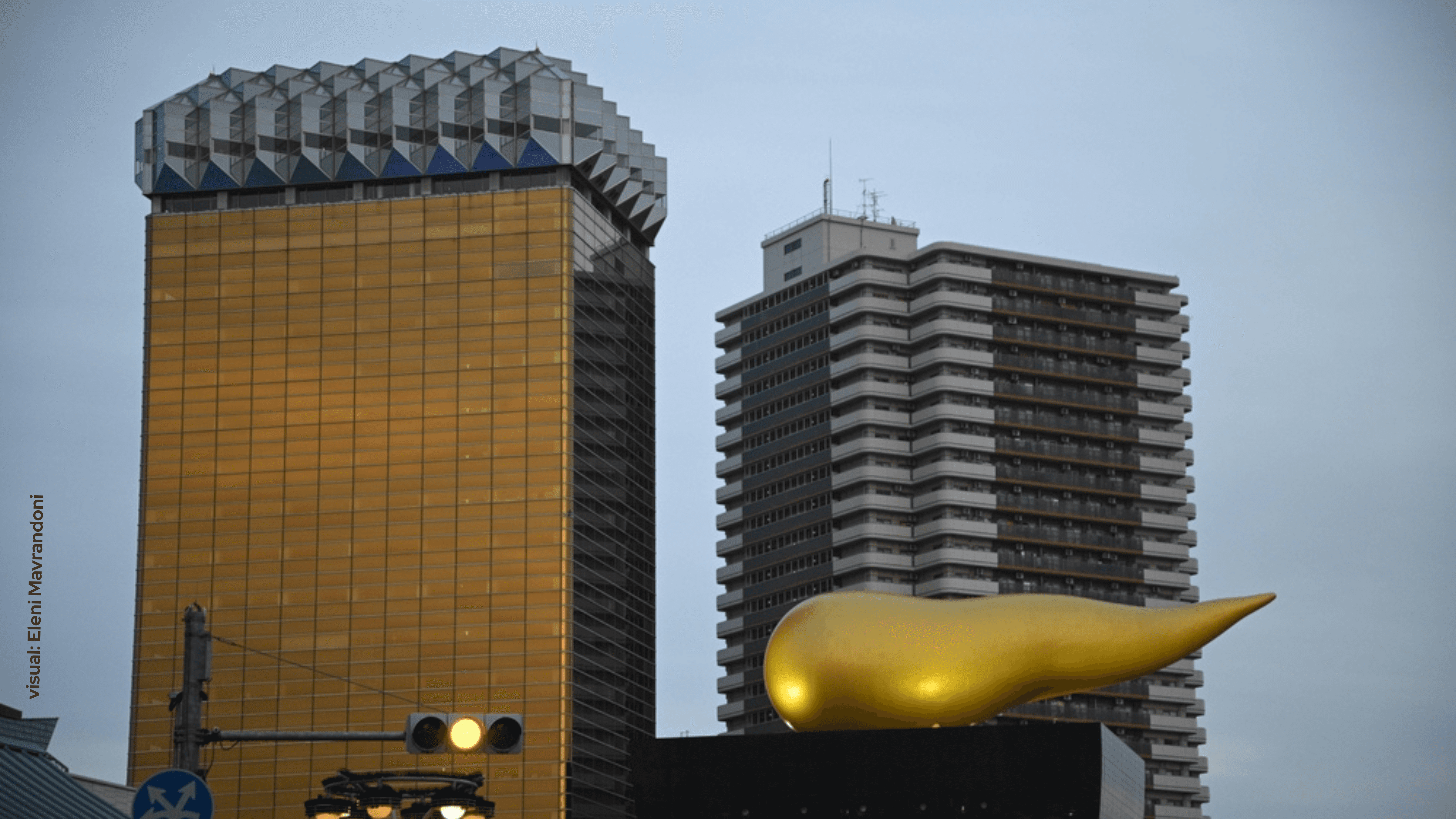
THE BEER THAT CUT THROUGH THE WORLD’S NOISE
Asahi is not simply a beer brand. It is a rare case of a company that rebuilt itself around a taste. From a brewery founded in Osaka in 1889 to a global drinks group that now owns brands and breweries across Europe, Australia and Asia, Asahi’s story is built on one deceptively simple Japanese idea: Karakuchi, the crisp, dry finish that changed how beer could feel.
For decades, Asahi was part of Japan’s traditional beer landscape. Then, in the 1980s, the company found itself losing relevance in a market dominated by stronger competitors. The turning point came when Asahi stopped trying to win the old beer war and created a new one.
In 1987, Asahi launched Asahi Super Dry, officially described by the company as the world’s first super-dry taste beer. It was not just a product innovation. It was a category provocation. Beer no longer had to be necessarily heavy, malty or lingering. It could be sharp, clean, fast and food-friendly with an unexpected twist.

FROM OSAKA TO GLOBAL SCALE
The company began as Osaka Brewery, Ltd., the predecessor of today’s Asahi Group Holdings. It launched Asahi Beer in 1892, won early international recognition at major world expositions, survived the consolidation of Japan’s brewing industry, and was re-established after World War II as Asahi Breweries.
But the modern Asahi myth begins much later. By the early 1980s, the brand had lost momentum. Japanese food culture was also changing: meals were becoming more diverse, richer, more international, less centered exclusively around rice. Asahi understood that a new palate needed a new beer.
Super Dry answered that shift with almost surgical clarity. Its dry finish made it especially compatible with food, particularly sushi, seafood, grilled meat and fine dining. It did not fight the meal. It reset the mouth after every sip.
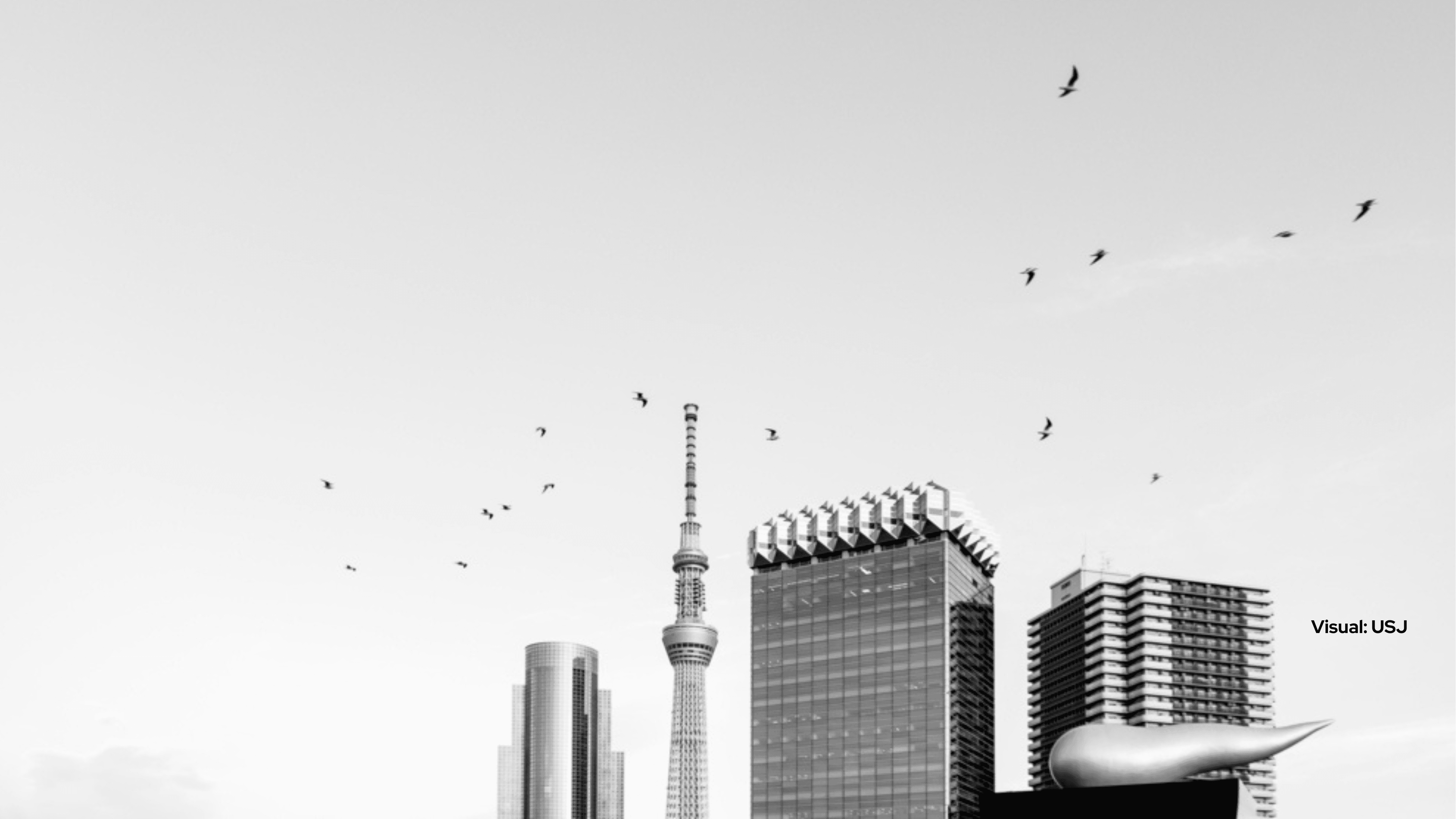
KARAKUCHI: THE TASTE OF REDUCTION TO ESSENCE
Karakuchi roughly means dry, crisp, sharp or cutting. In Asahi’s case, it became more than a tasting note. It became a brand philosophy.
The genius of Asahi Super Dry lies in the contrast between restraint and intensity. It is not loud in flavor, but it is extremely precise in sensation. Its clean finish removes the sweet, sticky aftertaste often associated with richer lagers, creating a feeling of refreshment that feels almost engineered.
This is why Asahi’s innovation was industrial, sensory and cultural at the same time. The beer was designed not only to be consumed, but to perform a function: cleanse the palate, sharpen the appetite, and make the next bite better.
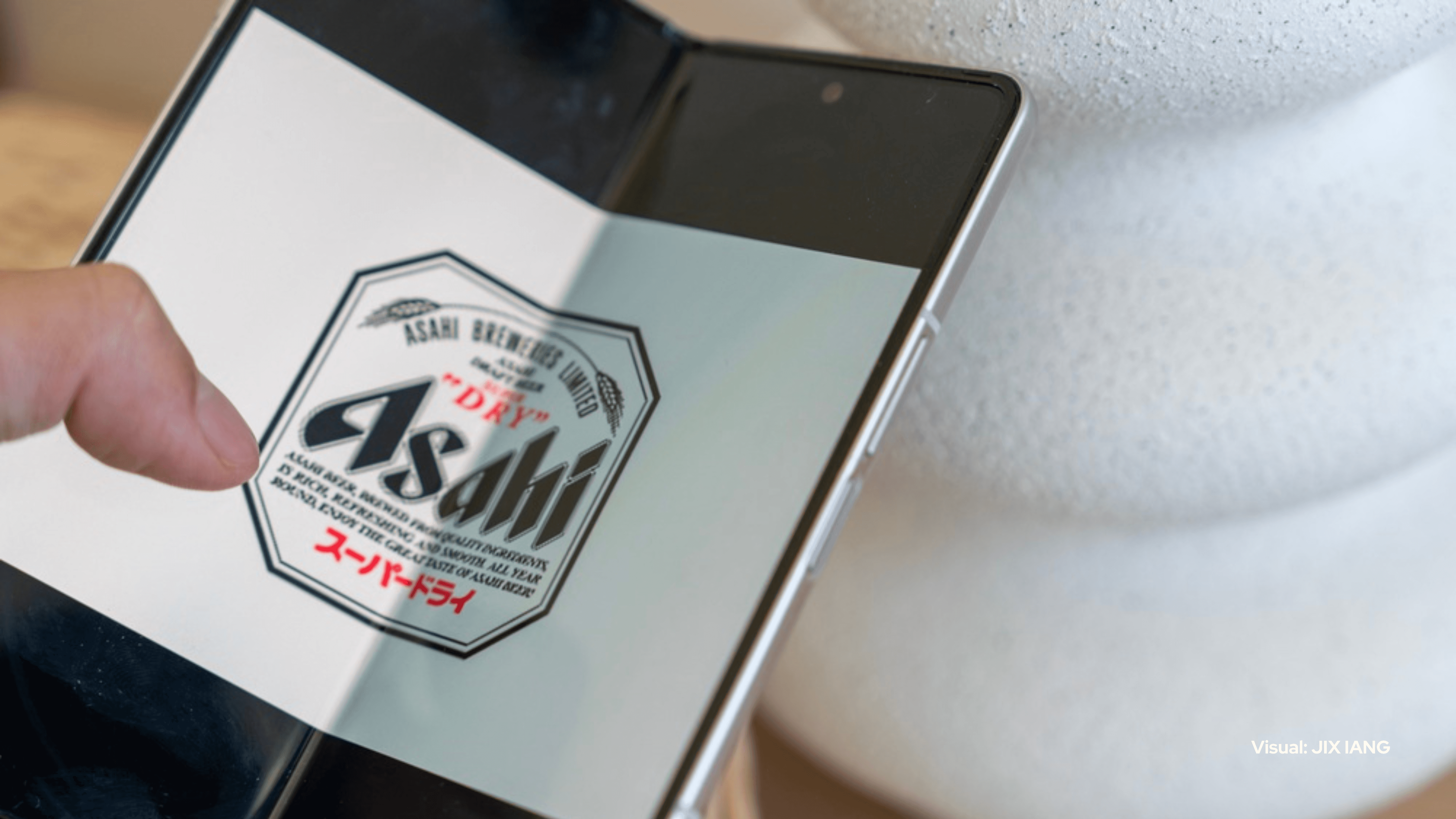
HOW ASAHI CHALLENGED BEER
Asahi did not challenge the beer world by shouting louder. It challenged it by changing the rules of refreshment.
In Japan, Super Dry triggered what became known as the “dry beer” phenomenon, forcing competitors to react. Internationally, it gave Japanese beer a new code: not rustic, not heavy, not nostalgic, but modern, metallic, urban and precise. It looked less like a European tavern and more like a Tokyo machine.
That distinction mattered. While many global beer brands leaned into heritage, hops, masculinity or countryside imagery, Asahi built a premium world around discipline, speed and clarity. It made “dry” feel desirable, not neutral. It turned absence of heaviness into a luxury.
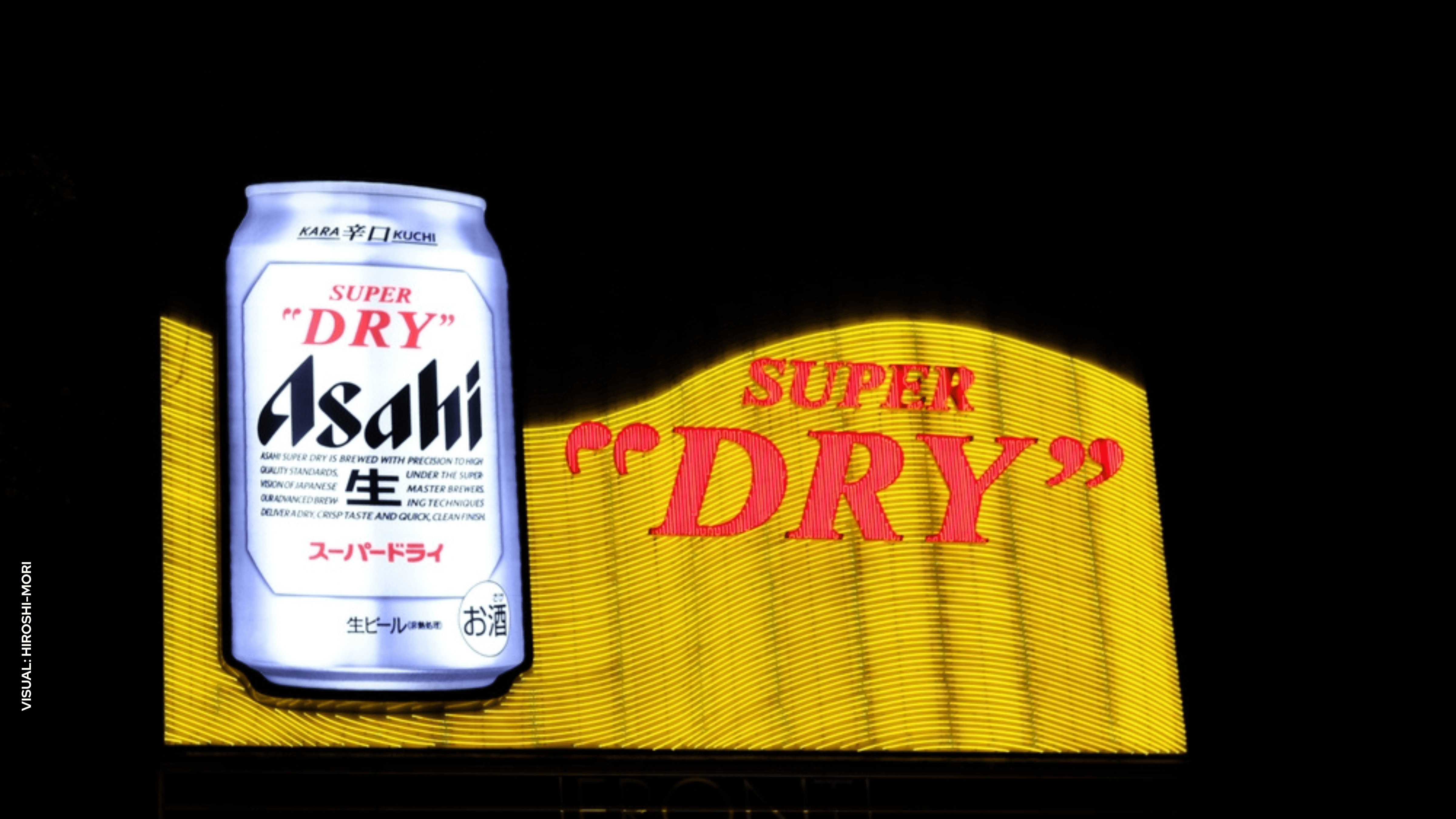
A BRAND MADE OF METAL AND LIGHT
Asahi’s visual language is one of the most distinctive in global beer. The silver, black and red palette feels closer to technology, architecture and industrial design than to classic beer codes. There is almost no pastoral softness in it. The brand looks sharpened.
The typography reinforces the idea: angular, dynamic, controlled. The can and bottle design feel metallic and minimal, while the Japanese characters add cultural depth without becoming decorative clichés. The result is a tension between tradition and hi-tech Japan.
Even the name carries symbolism. “Asahi” means morning sun. In the company’s more recent corporate identity, the sunrise idea is brought forward through a visual arc, connecting the brand’s Japanese origin to a broader language of optimism, energy and global ambition.
PACKAGING AS PERFORMANCE
One of Asahi’s strongest creative territories is packaging innovation. The most famous recent example is the Nama Jokki Can, a can designed to recreate the experience of draft beer. Instead of opening through a small tab, the entire top comes off, allowing a creamy foam to form and changing the drinking ritual.
This matters because the idea is not cosmetic. It transforms the package into a miniature bar experience. The can does not only contain the product; it stages it. In a category where packaging often works as a static billboard, Asahi turned it into a small piece of theatre.
That is very Asahi: engineering in the service of sensation. The brand’s best innovations tend to make technology feel natural, even sensual.
THE CAMPAIGNS THAT TRAVELLED
Asahi’s strongest global communication has usually worked when it translated Japan without flattening it into postcards. The best campaigns do not say “Japanese” through clichés alone. They build a mood: futuristic Tokyo, underground elegance, culinary precision, neon, craft, speed and strangeness.
The “Beyond Expected” type of work is powerful for this reason. Its surreal visual language, from robotic geisha-like figures to underwater fantasy and spectacular VFX craft, pushes the brand away from polite premium beer advertising and toward cinematic spectacle. It makes Asahi feel like a portal into a sharper, stranger version of Japan.
Its value is not just production beauty. It gives the brand a cultural voltage. In a sea of golden lagers, Asahi becomes silver lightning.
SPORT, SOBRIETY AND SCALE
Asahi’s global partnership with City Football Group, including Manchester City, shows the brand’s more strategic present. It connects Asahi Super Dry and Asahi Super Dry 0.0% to global football culture, where alcohol brands must increasingly navigate responsibility, visibility and younger consumer expectations.
The non-alcoholic extension is especially important. It allows Asahi to stay present in high-energy social environments while adapting to the rise of moderation and “smart drinking”. In communication terms, this is not just a product variant. It is a passport into the next era of beer.
The smartest part is that the same Super Dry codes still apply: crispness, control, refreshment, modernity. Even without alcohol, the brand does not lose its metallic edge.
WHY THE WORK WINS
Asahi’s most successful creative work wins because it is coherent. Product, design, packaging, sponsorship and advertising all point toward the same idea: precision refreshment.
Many beer brands build campaigns around lifestyle. Asahi builds lifestyle around a product truth. The dry finish is not a line invented by an agency; it is the sensory core of the brand. That gives the communication unusual discipline.
The best Asahi campaigns also understand that premium today is not only about price or prestige. It is about point of view. Asahi has one: the world can be sharper, cleaner, more beautifully engineered.
THE PRESENT: PREMIUM, GLOBAL, UNDER PRESSURE
Today, Asahi is a global group with a portfolio that includes Asahi Super Dry, Peroni Nastro Azzurro, Pilsner Urquell, Grolsch, Kozel, Tyskie, Dreher and Ursus. In Romania, this means Asahi is connected not only to Japanese beer culture, but also to major local beer heritage through Ursus and Timișoreana.
The company’s strategy is clearly international. With Japan’s domestic beer market mature, Asahi has been expanding through acquisitions and premiumization, while aiming to grow Super Dry outside Japan. Its presence in Europe, Australia and the United States is no longer peripheral. It is central to the future of the group.
Asahi is nowadays not only Japan’s most recognizable beer export, but one of the world’s defining premium beer brands.
THE ASAHI LESSON
The Asahi story is a lesson in how a brand can be saved by taste and innovation.
Its revolution did not begin with a manifesto. It began with a finish: clean, dry, sharp, memorable. From that finish, Asahi built a product, a design language, a global expansion strategy and a cultural aura.
That is why Asahi still feels interesting. It is not beer trying to be louder. It is beer trying to be exact.
And in a world full of brands that sometimes leave an aftertaste, Asahi built an empire on having almost none.
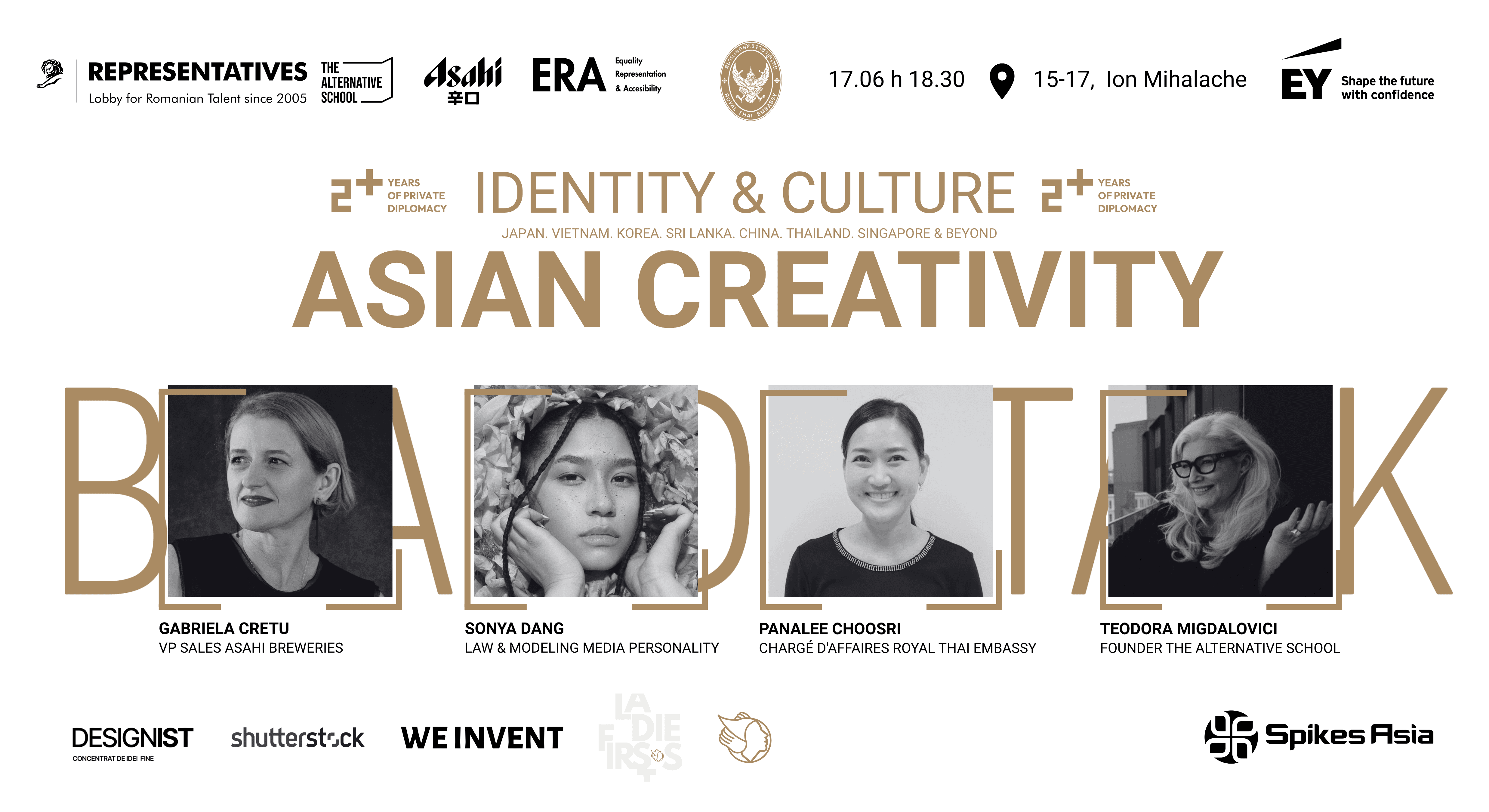
BRANDS TALK. IDENTITY & CULTURE. ASIAN CREATIVITY
TheAlternativeSchool cMBA opens an honest conversation on identity, cultural capital and the creative power of Asia
Featuring Panalee Choosri, Gabriela Crețu and Sonya Dang, three prestigious voices from different generations, TheAlternativeSchool Creative MBA continues its insight-forsight business intelligence series dedicated to culture, branding and private diplomacy with a new edition of “Brands Talk. Identity & Culture”, focused on Asian Creativity and the new geography of influence. The event takes place on June 17, in the welcoming EY spaces, in a format empowered by Asahi Beer and curated by Tedi Migdalovici.
Tedi will put to work her lifelong experience as a festival hunter and creative nomad, sharing wisdom from her role as Spikes Asia ambassador, alongside hot content gathered over the past six months between Jolbors in Tashkent, ADFEST in Thailand and The Faculty of Brands in Sri Lanka, where she contributed as juror, guest speaker and trainer while simultaneously lobbying for Romanian talent.
Same, same, but different
In an always-on world, we have access to the internet, so we tend to mistake access for knowledge. “Same-same, but different”, as the old slang of copycat brands once found in Asia’s crowded tourist markets would have it. That’s where Brands Talk opens one of Bucharest’s most culturally alert rooms, created for business leaders and talent operating in the creative economies who want to understand how the world is changing under our noses, as seen through the direct experience of natives, well-travelled speakers and top creative ecosystems.
After exploring Eastern European creativity through pop culture, branding and national identity, in partnership with the Czech Centre and with the support of the Czech Embassy, this new chapter turns its attention towards Central, East, South and Southeast Asia, not as exotic travel hotspots, but as some of the most effervescent territories of global business performance. Across these regions, empowered brands edit mentalities, refresh traditions, reset norms and keep prosperity in motion.
Meet the Speakers and their talks
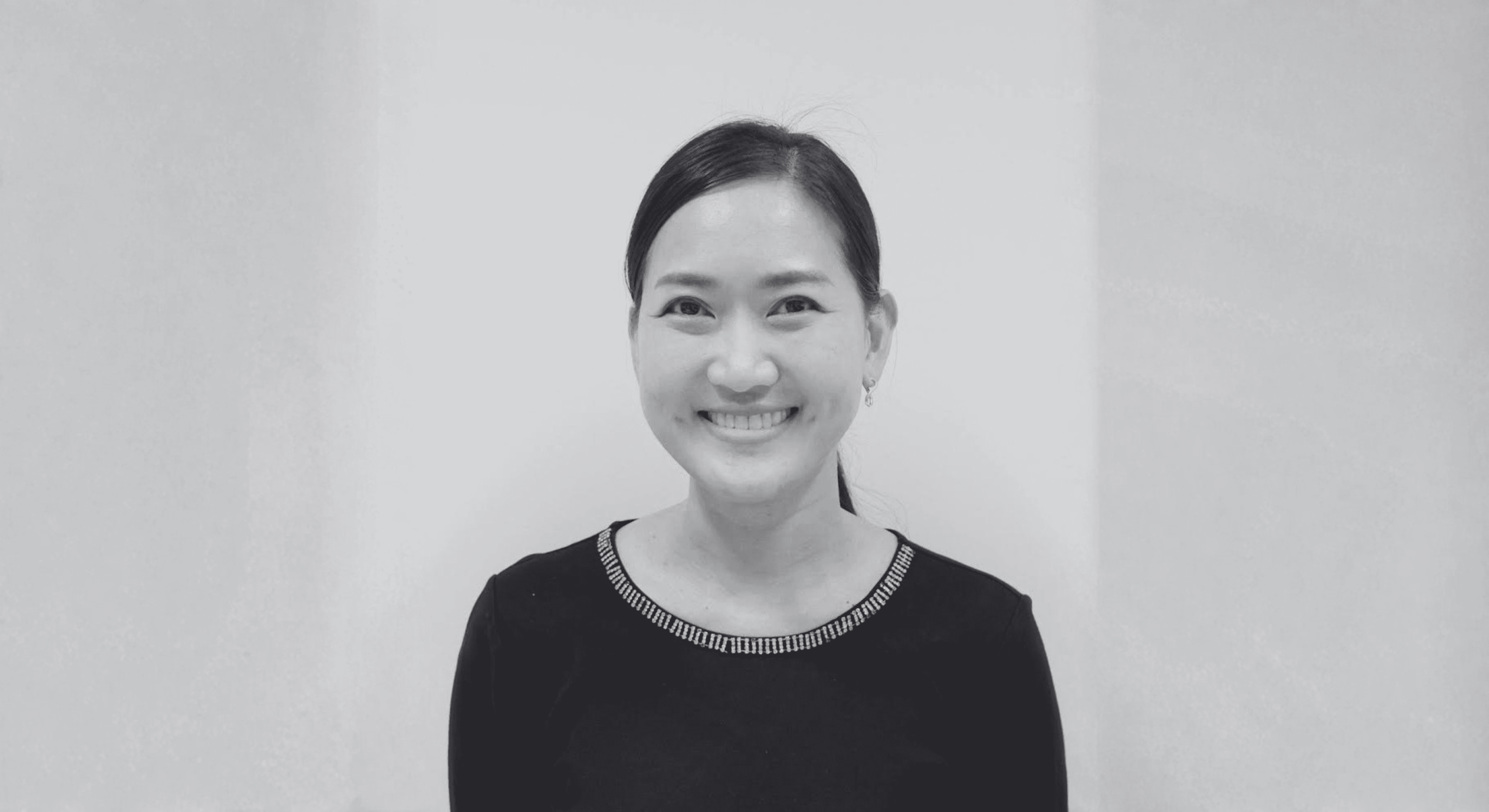
The Royal Thai Embassy as Guest of Honour: Insights into Thailand's Cultural Diplomacy
Panalee Choosri, a career diplomat currently serving as Chargé d'Affaires ad interim and Minister Counsellor at the Royal Thai Embassy in Bucharest, Romania, will deliver a keynote presentation on the historical and cultural codes of Thai national costumes.
The discourse will offer attendees rare access into Thailand's living traditions, exploring the story behind its most expressive costumes, currently on their path to being inscribed on the prestigious UNESCO Intangible Cultural Heritage List.
Bringing over two decades of diplomatic expertise within Thailand's Ministry of Foreign Affairs, Ms. Choosri has previously completed assignments in Singapore, Washington, D.C., and Manila, with a specialized focus on international economic relations, ASEAN frameworks, and bilateral diplomacy.
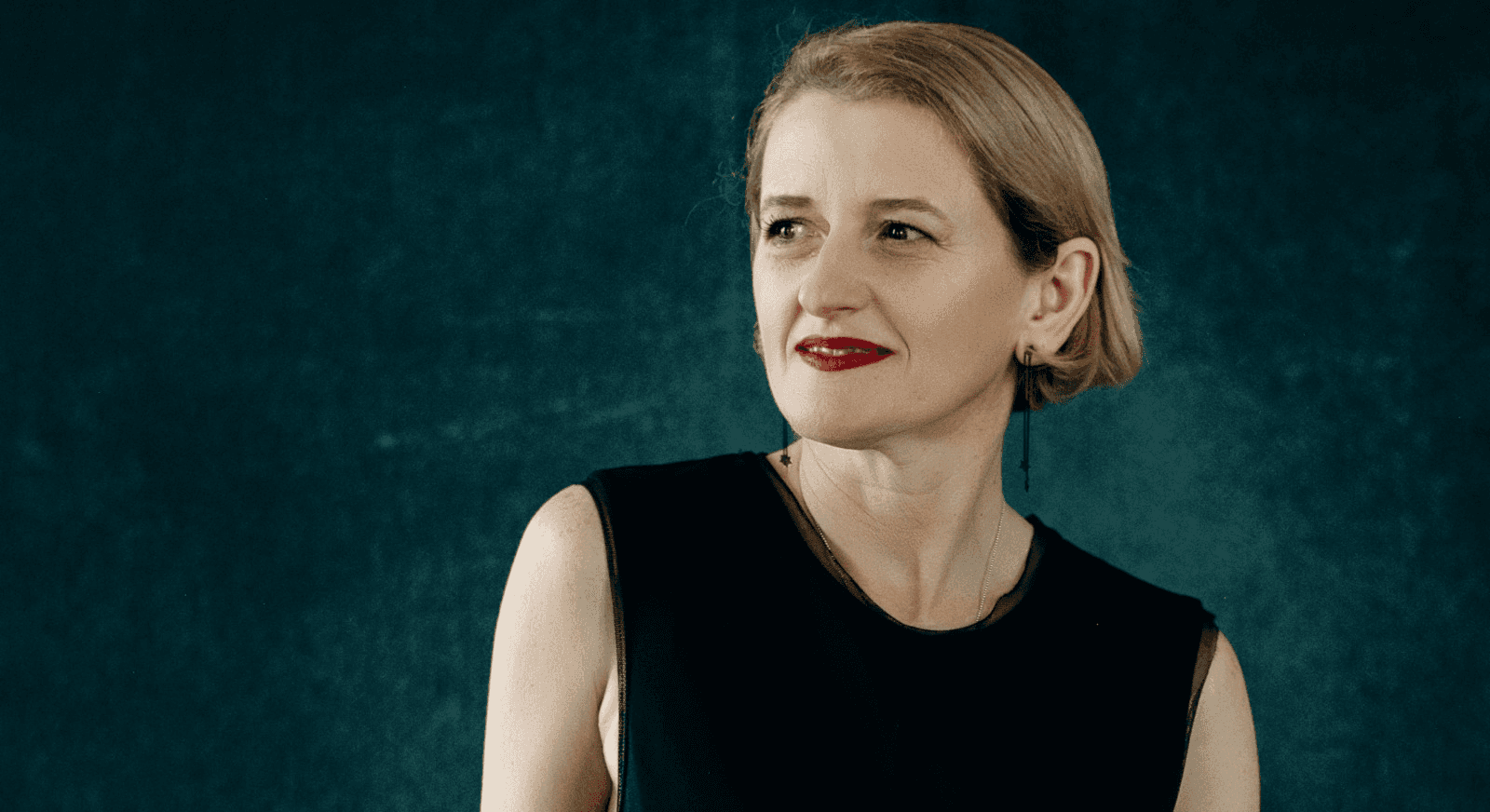
The event will host Gabriela Crețu, Vice President of Sales at Ursus Breweries, part of Asahi Europe & International, and a member of the company’s Executive Committee. Drawing on her recent Tokyo specialisation, Gabriela will deliver a talk on Japanese creativity, exploring paradoxes, unexpected experiences, the tensions between expectations versus realities and the lessons Romanian brand custodians can learn from their Japanese counterparts and their appetite for innovation. With over 25 years of accomplished experience across sales, marketing, trade marketing, innovation and strategy, she brings a human-centric approach to market development. A passionate advocate for diversity and inclusion, Gabriela actively supports creativity as an engine for evolution. Beyond her executive career and board-level perspective, she has refined her appetite for applied arts through specializations in interior design and upcycling, while equestrian arts remain one of the passions she enjoys alongside her daughter, in her spare time.
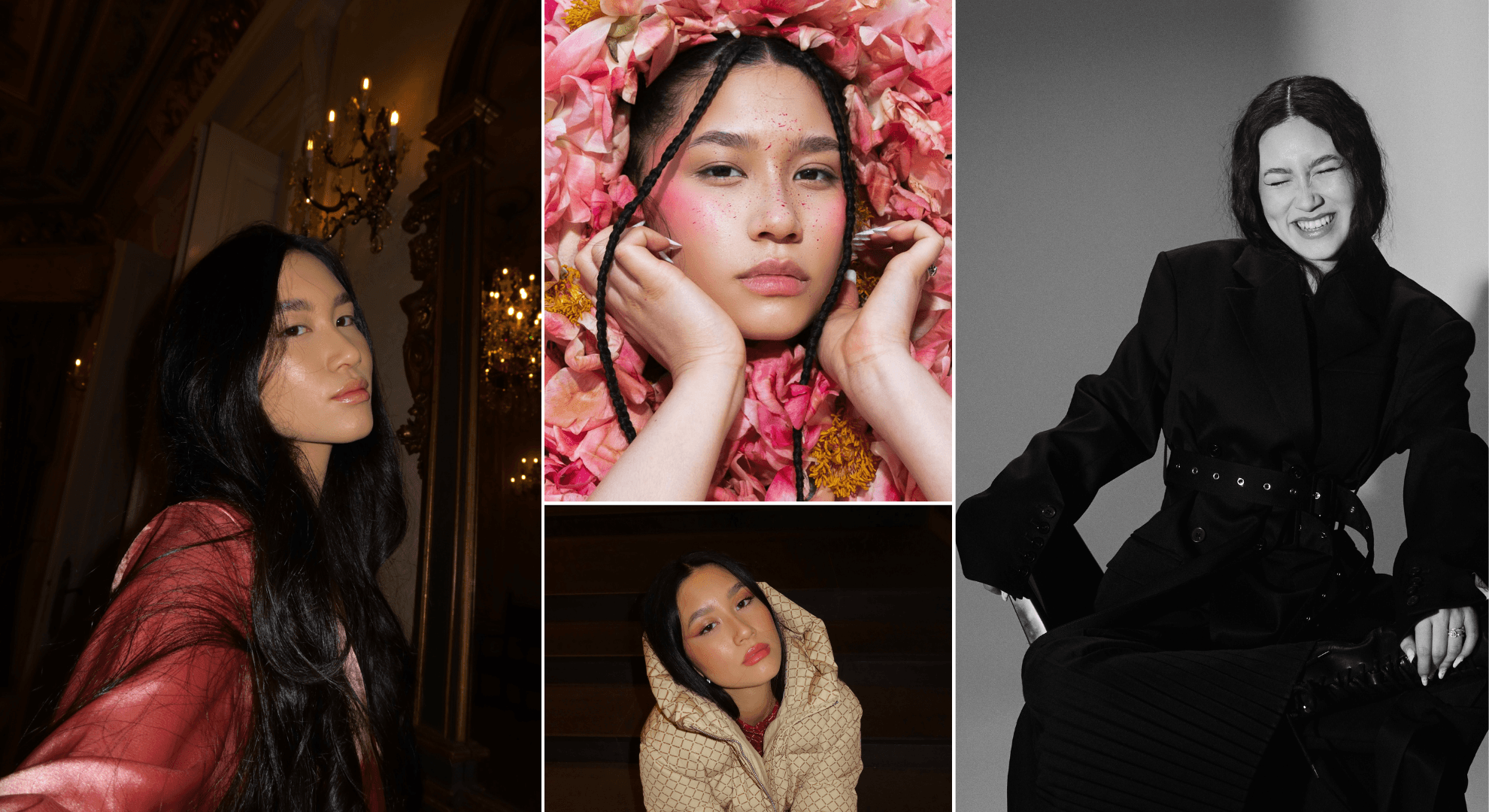
Sonya Dang, a Romanian-Vietnamese new media personality, model and Gen Z public voice, will bring the perspective of a generation for whom identity is no longer a single passport, but a living construct between languages, aesthetics, communities and digital platforms. Her story sits at the intersection this event wants to illuminate: Romanian upbringing, Vietnamese heritage, European education and a global-native sense of self.
With the Young Lady platform - a new chapter in the LadiesFirst series, calling for applications from the most talented voices under 35, and launched at TheFutureOfBeauty to promote exceptional female talent abroad, selecting Sonya Dang as the reference of a new generation born to succeed in a formula where “brains and beauty” become a single asset is no coincidence. Featured in advertisements since her teenage years, Sonya has built a splendid modelling career, yet chose to study in The Hague, embracing a path in law.
“Despite being brought up by two entrepreneurs, and having a solid modelling career - photo shoots with some of Romania's biggest labels - DAAR by Teilor, Ivatherm, Viggo and creative campaigns with international brands - H&M, Nivea, I have still opted for law. Why? Because I have always considered myself an opinionated yet educated person, besides my artistic personality. One year ago I was at a point in my life where I had to choose which career path I shall follow: either follow my diverse background and enter the diplomatic world, or stay in touch with my creative side and specialize in Intellectual Property. After an internship at the Consulate General of Romania in Barcelona, and an IP module, I have realized I want to do both. Now, I have to choose the order,” said Sonya.
Her talk will address clichés about Romanians and Vietnamese in the West, how she learned to navigate preconceived ideas about identity with grace, and offer first-hand access to some of Vietnam’s most vibrant brands, revealing which buttons they push, while revamping the world of her generation.
What to expect in terms of content?
From Japan’s attention to precision and detail as reverent forms of customer care to Vietnamese magnetic brands speaking to Gen Z and Alpha; from Sri Lanka weaving spiritual practices into distinctive brand coloraturas to China’s scale and world’s most interesting brand acquisitions mindset rewriting the script about “Made in China”; from the K-beauty contradictions between aesthetic surgery and natural products usage - both (!!) treated as norms, to the darker realities behind Korean high performance culture and the ways brands respond; from Central Asia’s “stan-rooted” emerging voices to Singapore’s role as a talent hub, the event will address the tensions between clichés and realities, work culture, silent identity judgements and how to address them.
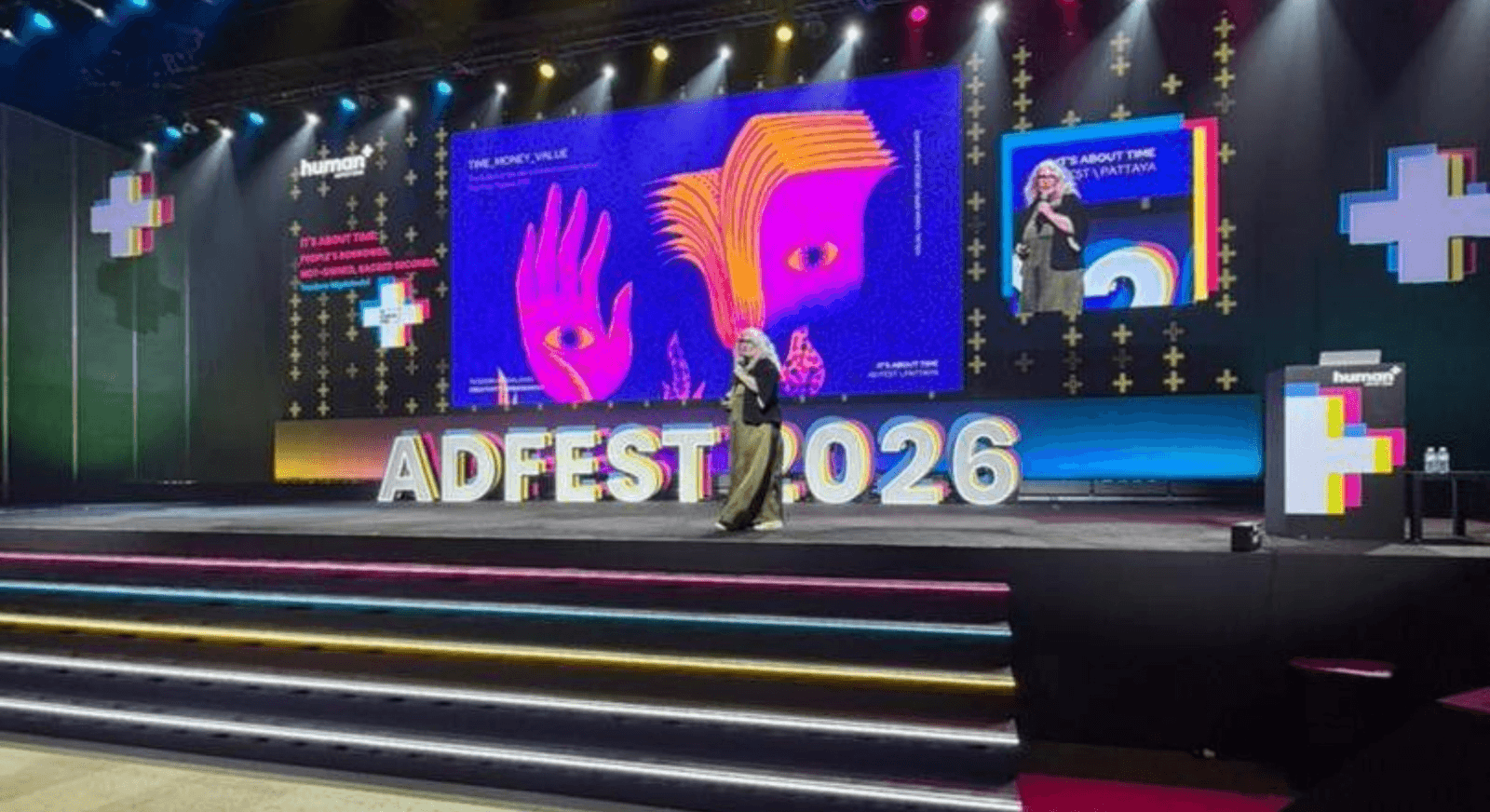
The cover visual illustrating “It’s About Time”, the presentation delivered by Tedi Migdalovici at ADFEST 2026, was created by Oana Ispir for Seneca Anticafe.
“Brands Talk. Identity & Culture. Asian Creativity” brings updated perspectives from a continent worth discovering beyond the media surface, opening a refreshing conversation about how we relate to “humanity vs business” equation.
The question is no longer whether Asian creativity influences the world. It does. The sharper question is how European brands, creators and institutions learn to read it, relate to it and engage with it without flattening it or simply being engulfed by it.

Contact: To join the event, please drop an email to georgiana@thealternativeschool.com.

For Whom the Bell Tolls
An Affective Mapping of the Venice Art Biennale curated by Simona Munteanu
Venice, during the Art Biennale, becomes a city-artifact where the boundaries between exhibition, urban infrastructure, and everyday life dissolve, and the entire city functions as an extended organism of contemporary art. The Venice Biennale becomes an expanded experience in which the city no longer serves as a backdrop, but as an active part of the exhibition, while the route between Giardini, Arsenale, and the dispersed spaces across Venice constructs an affective mapping of contemporary art. In Minor Keys establishes a regime of perception in which the works operate through materiality, the body, and memory, transforming the act of visiting into a fragmented journey where the viewer becomes part of the very mechanism of display and, implicitly, the curator of their own experience.
A city break in Venice during the International Art Exhibition of La Biennale di Venezia no longer resembles the classic idea of “visiting”; it becomes a cultural break, because the city does not welcome you — it absorbs you.
Everything begins before Giardini and Arsenale, and very quickly, you understand that these are merely points of orientation. The real Biennale is dispersed: in palaces, churches, hidden courtyards, warehouses, temporary islands of light and sound. Venice no longer functions as a backdrop for art; it becomes part of it.
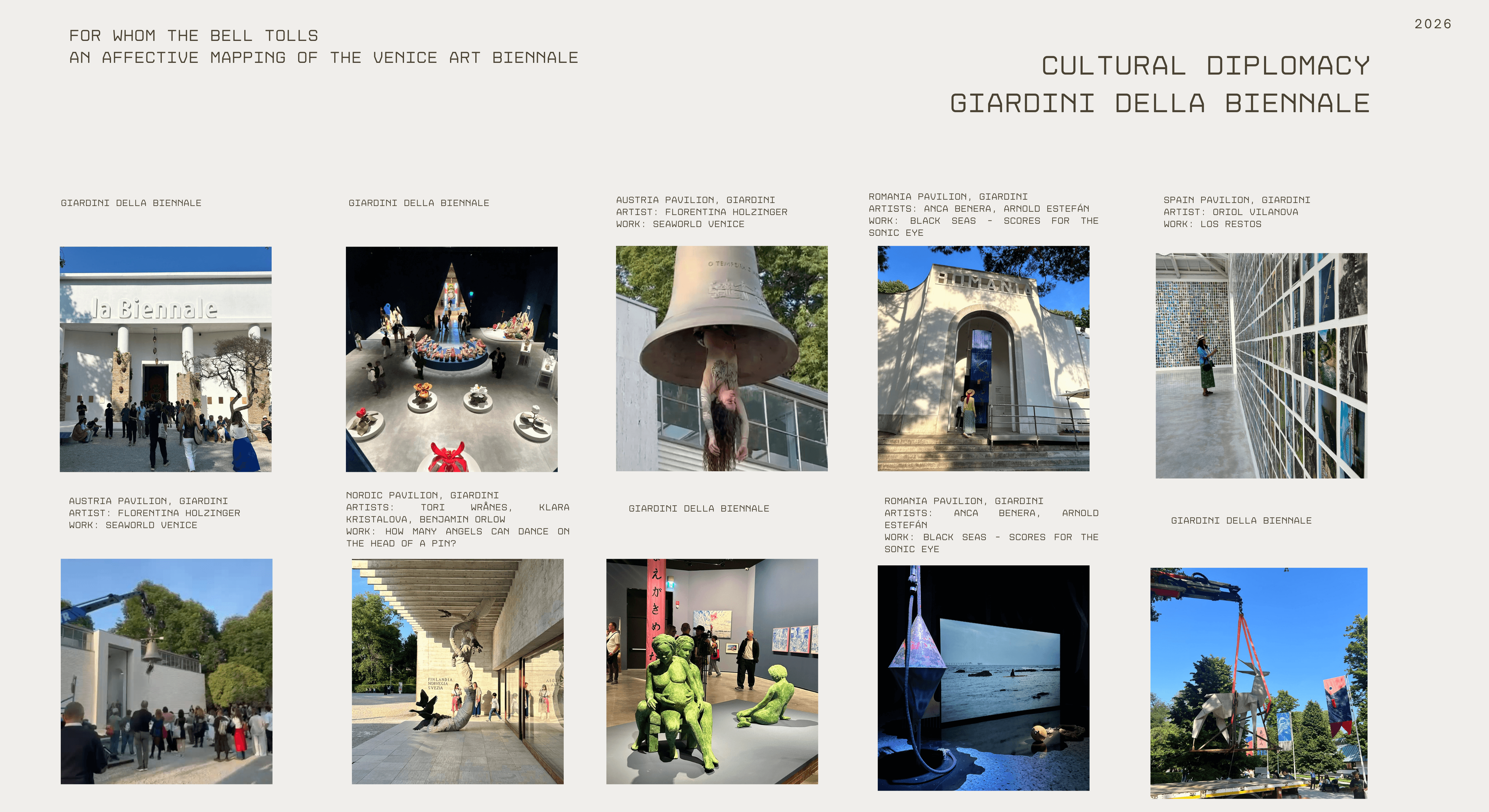
The Venice Art Biennale
La Biennale di Venezia is one of the most important cultural institutions in the world, founded in 1895. Over time, it expanded beyond visual arts to include music, film, and theater.
The Venice Film Festival, launched in 1932, is the first film festival in history. The Architecture Biennale was inaugurated in 1980, and the Dance Biennale in 1999. In 2022, the Art Biennale attracted over 800,000 visitors.
The 61st International Art Exhibition takes place between May 9 and November 22, 2026, in Giardini, Arsenale, Forte Marghera, and numerous spaces throughout the city.
The theme of this edition, In Minor Keys, conceived by curator Koyo Kouoh and completed posthumously by her team, functions as a shift in frequency. You do not enter an exhibition, but a world that speaks quietly — sometimes almost inaudibly — about memory, loss, resistance, and repair.
In Giardini and Arsenale, the Venice Biennale brings together more than 110 artists and collectives from Africa, Europe, Asia, the Americas, and Oceania, confirming the global character of the edition curated by Koyo Kouoh. It also includes 100 national participations, alongside 31 collateral events unfolding throughout the city.
The 2026 edition takes place within an intense geopolitical climate in which art can no longer be separated from conflict.
The absence of the curator transforms the project into a posthumous undertaking, while the global context — marked by the war in Ukraine and the conflict in Gaza — radically alters the reading of the exhibition.
National participations are no longer simple cultural representations but become visible political positions. During the preview days, the Russian Pavilion was the site of a protest by the group Pussy Riot, while Israel’s presence generated coordinated actions by the Art Not Genocide Alliance (ANGA), leading to the total or partial closure of several pavilions, including Belgium, the Netherlands, Austria, Japan, North Macedonia, and South Korea. Other European and international spaces operated intermittently or with reduced schedules.
In this context, the Biennale no longer functions merely as a contemporary art exhibition, but as a space where art, activism, and cultural diplomacy overlap in real time.
Cultural Diplomacy: Giardini della Biennale
In Giardini, the Biennale preserves one of its most recognizable forms: the exhibition park where each pavilion becomes an autonomous universe. National architecture no longer functions as a boundary, but as a filter through which the same theme In Minor Keys is translated into different languages.
The central exhibition unfolds here like a constellation of works that do not demand a linear route. There is no correct direction for viewing, but rather a succession of spaces functioning as different states of the same idea: listening, fragility, and the relationship between body, environment, and memory.
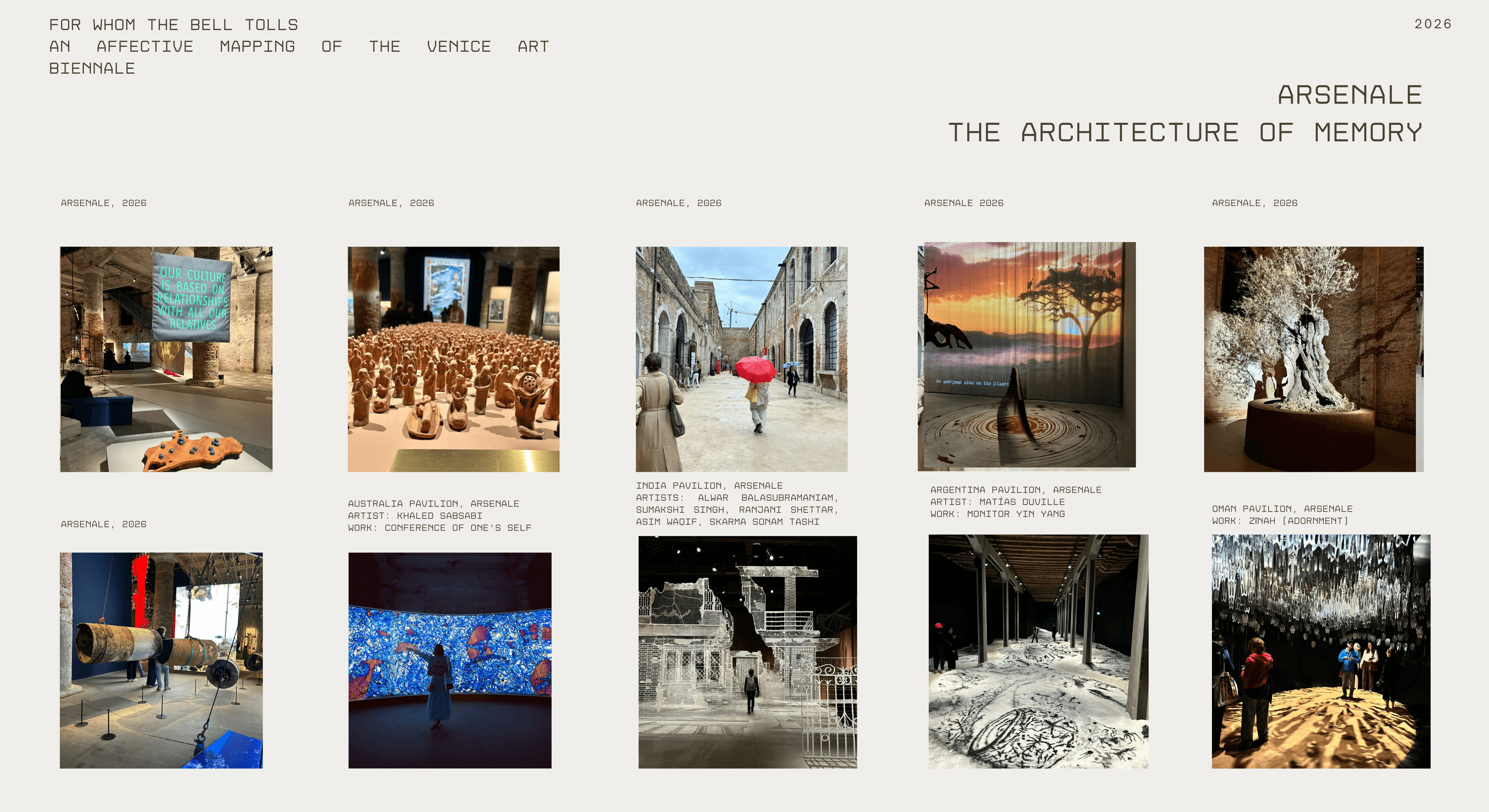
In the Austrian Pavilion, Florentina Holzinger transforms the space into Seaworld Venice, a performative installation in which body, water, and technology intertwine within an unstable ecosystem. The work explores the body as artistic material and instrument, exposed to pressure and continuous transformation in an environment reminiscent of an industrial aquarium or a post-apocalyptic space. One of the central images of the project is that of a human body suspended inside a giant bronze bell, set into motion through direct contact, including extreme gestures of physical exposure, emphasizing the idea of vulnerability and the body’s total participation within the mechanism of the installation. Through its bodily and apocalyptic imagery, the Austrian Pavilion evokes echoes of scenes from The Last Judgment by Hieronymus Bosch, created around 1500.
In this context, the pavilion becomes an experience about the physical and symbolic limits of the human, where the boundaries between control and loss, nature and technology, gradually disappear within an intense and provocative choreography.
In the Belgian Pavilion, Miet Warlop presents IT NEVER SSST, a performative installation in which language progressively deteriorates. Words are carried, fragmented, and rearranged within a system oscillating between chaos and composition, while meaning is never definitively stabilized.
The works of Tori Wrånes, Klara Kristalova, and Benjamin Orlow construct, within the Nordic Pavilion, a space where body and architecture are subjected to a logic of pressure and instability. How Many Angels Can Dance on the Head of a Pin? treats space as a medium that compresses and expands depending on the presence of bodies and materials.
Resonant national discourses
The Romanian Pavilion, created by Anca Benera and Arnold Estefán, presents Black Seas – Scores for the Sonic Eye, where the Black Sea becomes a sonic and geopolitical archive. Sound, image, and material research overlap in a work that does not represent the sea, but listens to it, transforming it into a space of active memory and sedimented historical tensions.
In the Spanish Pavilion, Oriol Vilanova transforms the space into an “anti-museum” through the project Los restos, curated by Carles Guerra. The installation gathers thousands of postcards collected over more than twenty years, small objects sourced from flea markets and antique fairs, recontextualized as fragments of memory. Arranged in a continuous composition, they no longer illustrate places but become traces of time and forgetting, questioning the idea of a stable archive and the traditional museum.
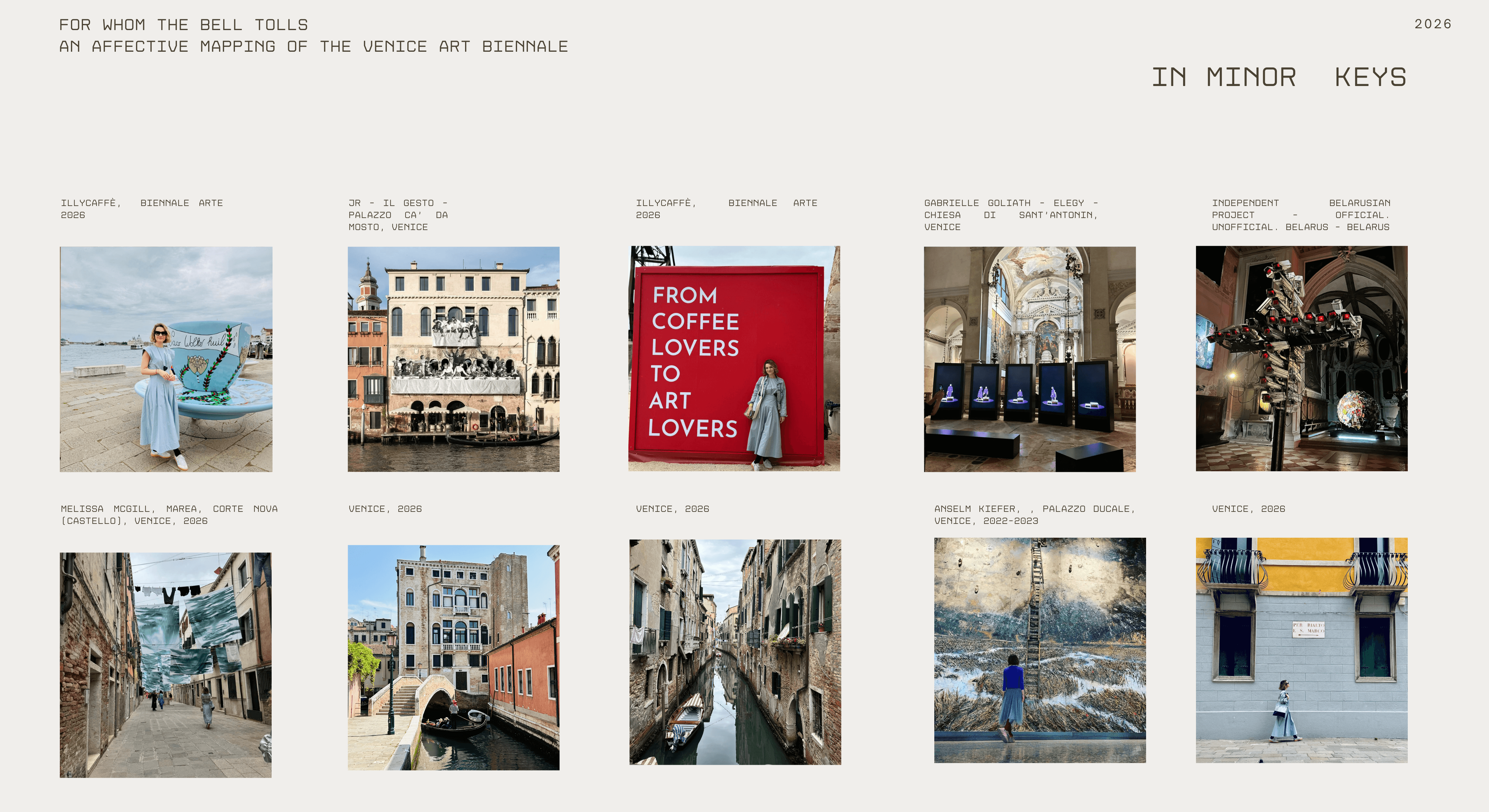
ARSENALE The Architecture of Memory
Arsenale complements Giardini as the second major nucleus of the exhibition In Minor Keys. The space carries a profound history tied to the identity of Venice: built beginning in the 12th century and expanded during the Venetian Republic, Arsenale was one of the largest naval and industrial complexes in premodern Europe. Military and commercial ships were produced here within a state-organized system that influenced early forms of industrialization and logistics.
Today, this historical infrastructure is reactivated as an exhibition space, preserving the memory of labor and production within large-scale contemporary installations.
Arsenale functions as a continuous route in which the visitor traverses monumental installations, performances, and multimedia structures emphasizing corporeality, memory, and geopolitical tensions.
If Giardini is fragmentation and plurality, Arsenale is density and continuity. Here, the works are expansive, immersive, and scenographic, constructing total environments in which sound, image, and space become inseparable.
In the Australian Pavilion, Khaled Sabsabi presents conference of one’s self, an immersive installation inspired by the Sufi poem The Conference of the Birds. Image, sound, and light do not illustrate an idea — they produce one. The experience unfolds slowly, like a meditation on migration, existence, and coexistence, where identity is no longer fixed but continuously transforming.
The Indian Pavilion, Geographies of Distance: Remembering Home, brings together artists Alwar Balasubramaniam, Sumakshi Singh, Ranjani Shettar, Asim Waqif, and Skarma Sonam Tashi in an exploration of the idea of “home” as fragile and material memory. Earth, fiber, wood, and transforming organic structures construct a space in which belonging is not fixed, but vulnerable and mobile.
In the Singapore Pavilion, Amanda Heng creates an installation based on the body as an instrument of attention and relation. Through slow movement and observation, the space becomes an exercise in presence and expanded perception, subtly altering the rhythm of the visitor.
In the Chilean Pavilion, Norton Maza presents Inter-Reality, an installation conceived as an immersive environment where image, object, and sound become layers of a multiple and unstable reality. The work explores the fragility of perception and overlapping perspectives, transforming space into an experience of controlled disorientation.
The Oman Pavilion presents Zīnah (Adornment), an immersive installation in which sound, sand, and metal are integrated into a participatory system of sensory experience. Ornamentation no longer functions as decoration, but as a relationship and resonance between body, space, and memory.
Within this register of elemental materials, Argentina shifts the emphasis from sand to salt, from the flow of the desert to the residue of the sea and geological time. The Argentine Pavilion centers on Matías Duville’s Monitor Yin Yang. The installation transforms the space into a traversable landscape of salt and coal, physically crossed by the visitor, who becomes an integral part of the composition. Conceived as a reflection on the present, the work explores the tension between ruin and potential, between energy and degradation, using Yin-Yang symbolism to suggest the fragile balance of the contemporary world, an immersive cultural landscape.
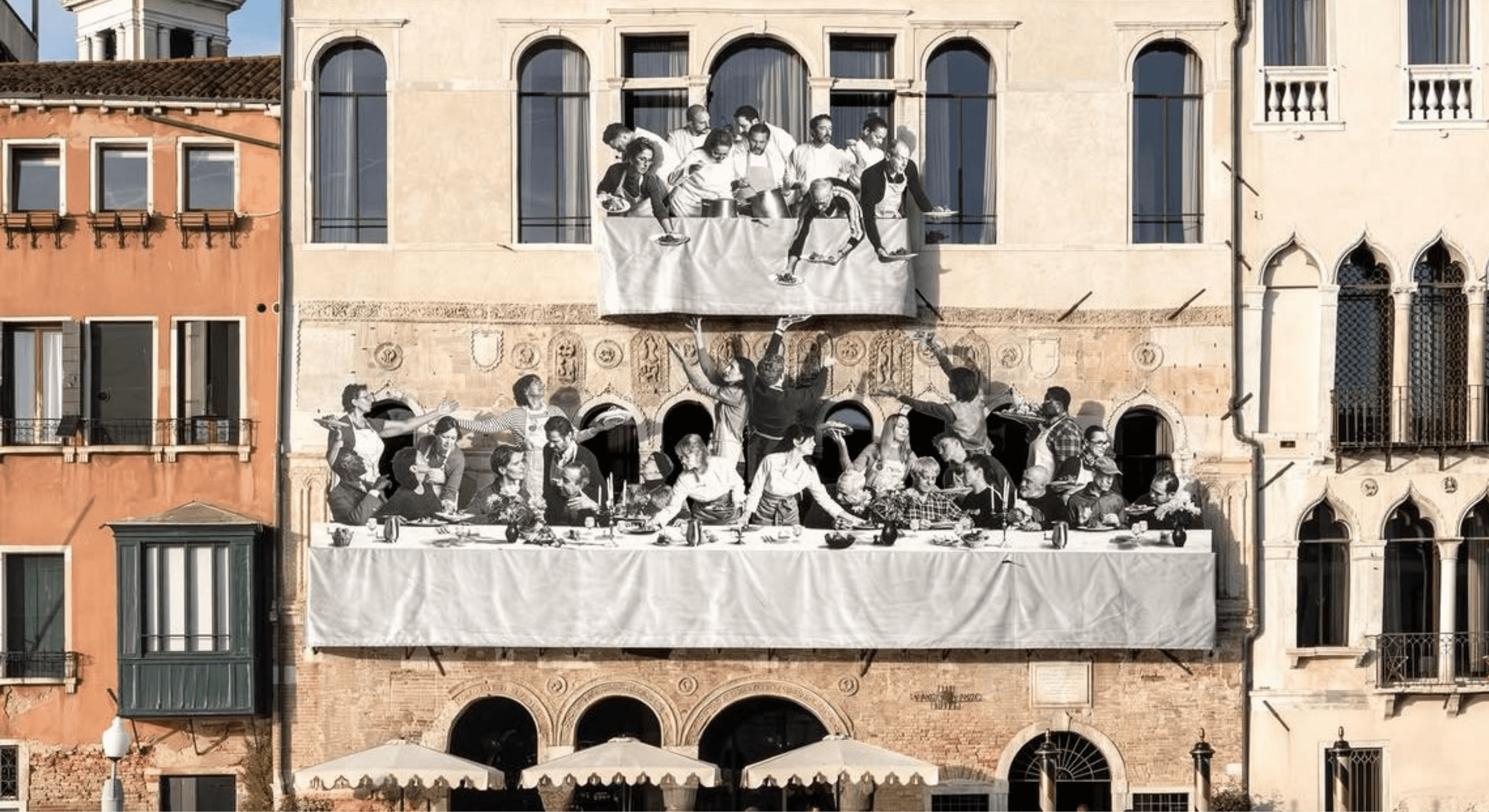
Venice, Baby
Leaving the official spaces behind, Venice invites you to wander and discover, inside a church in Cannaregio, how Gabrielle Goliath transforms sound into a ritual of memory and mourning. The voices do not “present” something; they sustain the duration of collective grief in a space where absence becomes present.
The city becomes a vibrant stage for exhibitions by some of the most influential contemporary artists of our time — including Anish Kapoor, Marina Abramović, Amoako Boafo, Flora Yukhnovich, Matthew Wong, Erwin Wurm, Lorna Simpson, Michael Armitage, Jenny Saville, and Lee Ufan. Their works unfold across palaces, churches, and historic venues, transforming the city into an immersive cultural landscape.
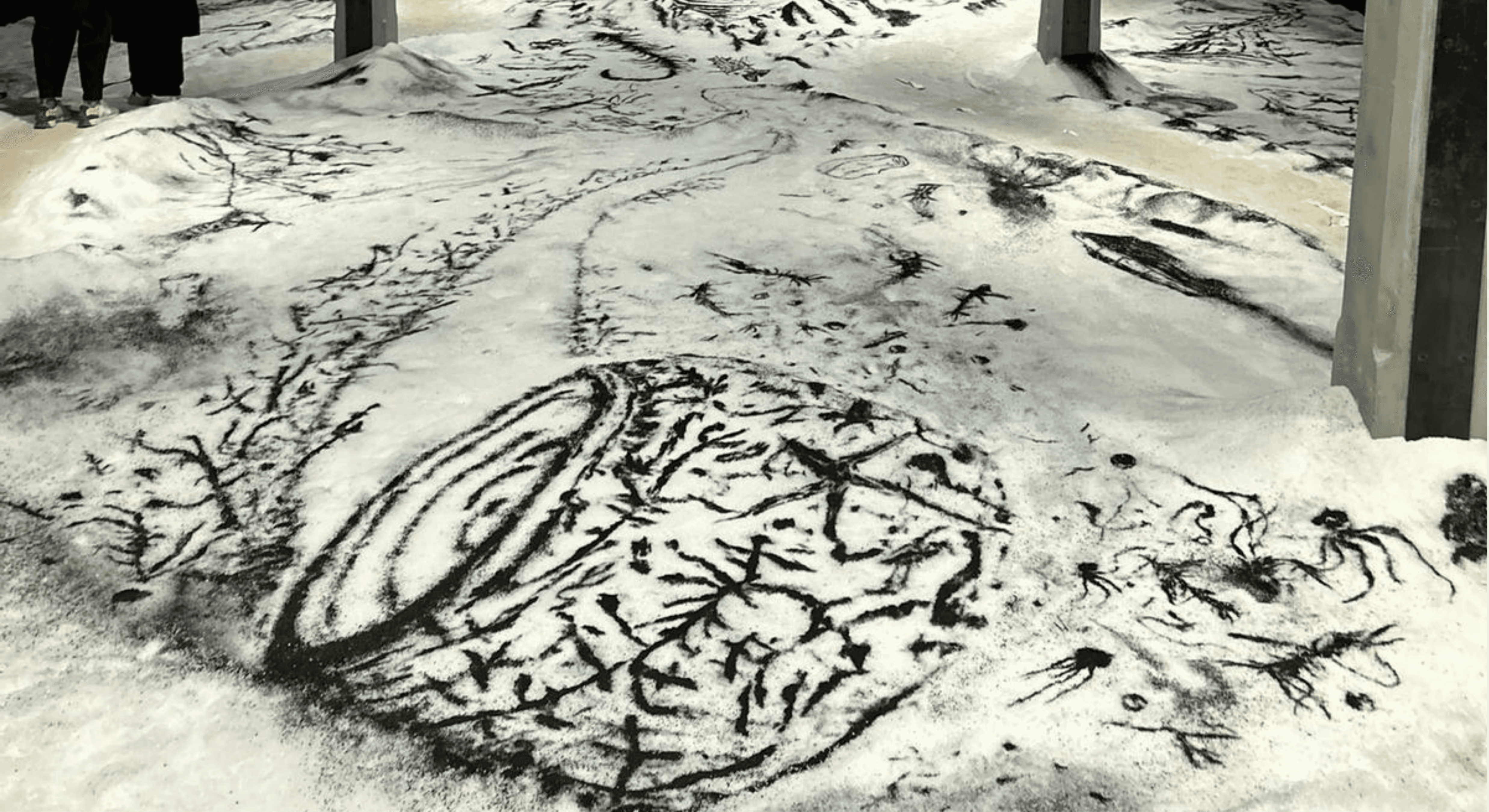
IL GESTO
From a gondola or from the bridges, one can admire the façade of Palazzo Ca’ da Mosto, where JR presents Il Gesto, a work inspired by The Wedding at Cana, the famous painting created by Paolo Veronese for the monastery of San Giorgio Maggiore. The project brings together 174 members of the Refettorio Paris community, photographed individually and integrated into a collective composition transformed into a monumental tapestry produced by Fondazione Bonotto. Part of Il Gesto is installed on the façade of the palace, becoming a public intervention visible directly from the lagoon and integrating the work into the urban landscape of Venice.
At dusk, above the lagoon, Chris Levine projects Higher Power, a laser installation presented over the course of one week during the opening of the 2026 Art Biennale. The projection originates from the island of San Clemente and remains visible throughout the city until midnight, transforming the Venetian sky into an active surface of light and collective attention.The work employs a modified military-grade laser system developed together with engineers and physicists from Germany. At certain moments, the beam appears as a vertical line rising into the atmosphere; at others, it forms a luminous ring suspended above the water, clearly defined like a halo.
The effect depends strongly on weather conditions and airborne particles, which capture and diffuse the light, making it visible from different points throughout the city. Viewed from canals and bridges, the circle appears suspended above Venice like an architectural drawing traced directly onto the sky.
At another point along the exhibition route, DRIFT presents Shy Society at Palazzo Balbi (May 3–10, 2026), a kinetic light installation mounted directly onto the façade of a Venetian palace between the Peggy Guggenheim Collection and Ponte dell’Accademia, visible from the Grand Canal. The work transforms urban infrastructure into an active support for perception, where light and movement become a continuous choreography within public space.
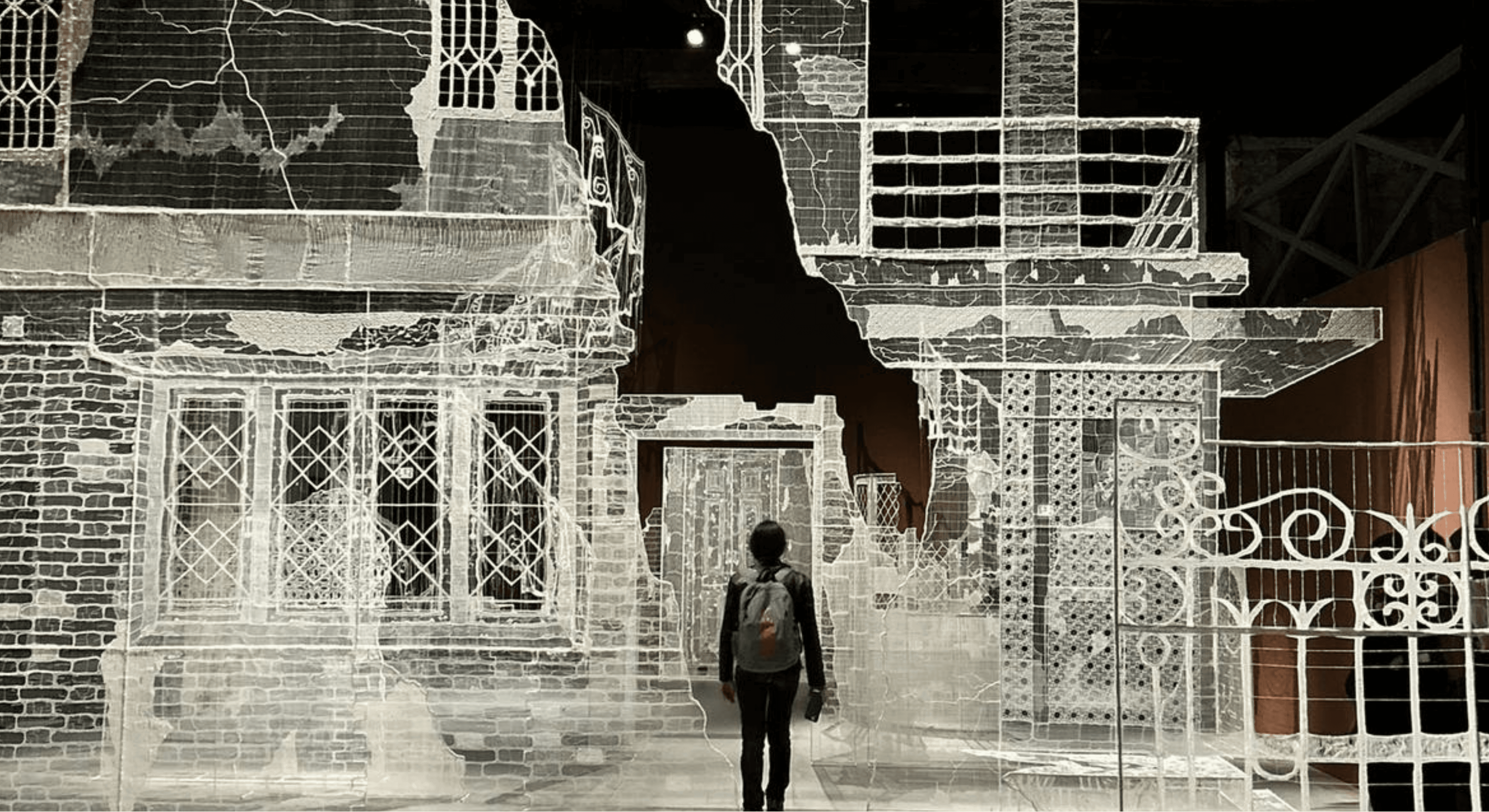
URBAN ART
Created by the famous graffiti artist Banksy in May 2019 on the façade of Palazzo San Pantalon in Venice, “Migrant Child” was presented to the public for the first time after its removal and restoration during the preview days of the 61st International Art Exhibition of Venice. Acquired by Banca Ifis together with the historic building, currently undergoing redevelopment by Zaha Hadid Architects and Th&Ma Architettura, the artwork traveled through Venice’s canals before its planned reinstallation along the Rio di San Pantalon. The unveiling was attended by Luca Zaia, Ernesto Fürstenberg Fassio, Vittorio Sgarbi, and Nobel Peace Prize laureate Kailash Satyarthi, who emphasized the humanitarian message of the work. Conservator Federico Borgogni described the intervention as highly complex due to the deteriorated condition of the building, requiring structural consolidation with anti-seismic mortars and the careful removal of algae and lichens from the painted surface.
Heritage
Marea, a participatory project by artist Melissa McGill presented in Corte Nova (Castello district, Venice), transforms urban space into a public stage where hand-painted sheets, hung on traditional structures (tagge), become signals of neighborhood life and forms of protest against mass tourism and the ecological pressure of rising sea levels. The work is based on dialogue with local residents through interviews and collected memories, integrating an interdisciplinary approach that combines photography, performance, and immersive installation.
An essential element of the project is the use of water from the Venetian lagoon in the painting process, leaving direct material traces upon the fabrics and physically connecting the work to the environment in which it is created. Through the arrangement of the sheets, the project evokes the rhythms of water and affirms the presence of stable communities, transforming everyday gestures into a collective visual language and into a reflection on the fragility and resilience of the lagoon city.
At Palazzo Pisani Moretta, The Only True Protest Is Beauty proposes beauty as a form of resistance, while in the streets the city continues without program: sound installations emerge in hidden courtyards, light becomes a pathway, and water functions as a surface of memory.
Biennale Arte 2026 increasingly confirms the role of major brands in global cultural diplomacy. Bvlgari becomes the exclusive partner of the Biennale for the 2026, 2028, and 2030 editions, inaugurating its own exhibition pavilion in Giardini at Spazio Esedra. For this edition, the Maison presents a project by Lotus L. Kang built around the concept Freedom Creates, exploring memory, materiality, and creative freedom through site-specific installations.
BRANDS
At the same time, illycaffè continues the tradition initiated in the 1990s through the celebrated illy Art Collection, transforming the espresso cup into a support for contemporary art and social reflection. At the 2026 Biennale, artist Mohammed Z. Rahman presents Memento Vivere, an intervention that transforms the ritual of coffee into a meditation on labor, memory, and the colonial legacy hidden within global agricultural production chains.
In this context, the Venice Biennale may be understood as a concentrated form of cultural participation in which prolonged exposure to contemporary art simultaneously activates cognitive, emotional, and social registers. Within this logic, the Biennale exceeds the status of a simple exhibition platform, functioning instead as an intense space of interaction with multiple cultural practices that condense and amplify the experience of contact with art.
ART
This perspective is supported by a recent study conducted by researchers at University College London (UCL) and published in the journal Innovation in Aging, which demonstrates an association between engagement in artistic and cultural activities and a slower pace of biological aging. Based on data from more than 3,500 adults in the United Kingdom and epigenetic DNA analyses, researchers observed that individuals who frequently participate in activities such as visiting museums, listening to music, or reading exhibit biological markers associated with a younger age. The results suggest an effect comparable to that of regular physical exercise, possibly due to the combination of cognitive, emotional, and social stimulation offered by cultural experiences.
In Minor Keys
Thus, Venice In Minor Keys shifts the emphasis from visual spectacle toward a slower and more attentive form of perception in which art functions as an instrument of introspection, memory, and relationship with the fragile reality of the present. A language emerges that is less oriented toward effect and more toward materiality, narrative, and presence — one in which the image is no longer merely consumable, but becomes a layer of experience and thought.
The works frequently abandon glossy finishes and surface aesthetics, favoring materials with density and their own memory: clay, textiles, raw metal, wood, salt, unstable pigments, sound, visual archives, multimedia installations, and performative forms directly involving body and space. In this context, artists, spaces, and exhibition media can no longer be clearly separated: the pavilion, the palace, the church, or the city itself become extensions of the same work, while the Biennale functions as a living system of overlaps between history and contemporaneity.
The result is a shift in perceptual regime in which the artistic experience does not end upon leaving the exhibition, but continues as resonance in the way one looks at the city, the body, and time.
Veni
And because every journey leaves behind a reason to return, for me that reason is Marina Abramović: Transforming Energy at the Gallerie dell’Accademia di Venezia — an exhibition marking a rare moment in the museum’s history as the first major presentation dedicated to a living female artist within this space, transforming Renaissance collections into a direct dialogue partner with contemporary performance art.
The exhibition path does not separate past from present but overlays them into a single route in which Abramović’s works enter into direct relationship with Venetian heritage, while the visitor becomes an active participant in the experience through contact, presence, and interaction around the Transitory Objects — stone and crystal structures transforming the body into an instrument of perception.
Because no one can explain to you the feeling you experience when you hear the city bells after witnessing Florentina Holzinger’s performance, or the way the lagoon water begins to resemble the brushstrokes upon the sheets in the Marea installation.
In this sense, the Venice Biennale is not consumed in a single moment, but accumulates in successive layers of sensation, in which artists and works from previous editions continue to remain active within the memory of both the city and the participant. The experience is not linear, but in a palimpsest key: what you see now enters into dialogue with what you have seen before, while Venice functions as a living support upon which contemporary art overlays itself onto history without erasing it.
Vidi
In interventions such as Anselm Kiefer’s at Palazzo Ducale between 2022 and 2023, the series of paintings created specifically for the Sala dello Scrutinio under the title “Questi scritti, quando verranno bruciati, daranno finalmente un po’ di luce”, inspired by the writings of the Venetian philosopher Andrea Emo, becomes an exercise in memory, burning, and the transformation of meaning through disappearance. The works are inserted between the monumental décor of the hall and the historical paintings of Tintoretto, Palma il Giovane, and Andrea Vicentino, as an additional layer within an already existing visual and political palimpsest.
Similarly, in the practice of Georg Baselitz, present in Venice during the collateral programs of 2022–2023, including exhibitions such as Archinto at Museo Palazzo Grimani (2022), the painted, fragmented, and inverted body — constructed through gesture and painterly matter — continues to operate between appearance and disappearance, between the tradition of the icon and the contemporary instability of the image. The artist’s death on April 30, 2026 marks these Venetian presences as final variations of a language in which the human figure dissolves between history and matter.
At the Venice Biennale, each edition leaves behind not only artworks, but layers of memory that continue to operate within the spaces of the city. Between May 6 and September 27, 2026, on Isola di San Giorgio Maggiore, the exhibition Georg Baselitz.
Venice
This is Venice during the Biennale year: a city that no longer exhibits art, but becomes itself part of it, compelling you to construct your own path of interpretation and meaning — to become the curator of your own experience.
In this context, the Biennale can no longer be reduced to a simple exhibition event, but becomes a mechanism for the sedimentation of art within the city, where each edition adds a new layer of meaning over previous ones, as well as over a collective memory of place formed through history, temporary communities, and overlapping forms of belonging that continuously redefine themselves.
Emotion does not appear here as a secondary effect, but as an integrated component of these living archives: what remains is not merely the image of the works, but the way they settle within you. Veni, vidi, Venice.
You leave Venice carrying with you a new world that continues to accompany you.
“Therefore, send not to know
For whom the bell tolls,
It tolls for thee..”
John Donne, Meditation XVII, Devotions upon Emergent Occasion
References / Bibliography
La Biennale di Venezia – Biennale Arte 2026: In Minor Keys
https://www.labiennale.org/en/art/2026
Palazzo Ducale (MUVE) – Anselm Kiefer Exhibition
https://palazzoducale.visitmuve.it/en/exhibition/exhibition-anselm-kiefer/
Art Observed – Georg Baselitz: Archinto, Museo Palazzo Grimani (2022)
Fondazione Giorgio Cini – Georg Baselitz at Cini Foundation
https://www.cini.it/en/eventi/georg-baselitz/
Bulgari – Official Website
Domus Web – Venice Biennale 2026: illy & Mohammed Z. Rahman
Melissa McGill – Marea Project
https://www.melissamcgillartist.com/work/marea/
Designboom – JR: Il Gesto, Venice Biennale project
Designboom – Chris Levine: Higher Power, Venice Biennale
https://www.designboom.com/art/light-chris-levine-beams-higher-power-installation-venice-biennale/
Marsilio Arte – Studio DRIFT: Shy Society
https://www.marsilioarte.it/en/events-and-exhibitions/studio-drift-presenta-shy-society/
The Guardian – Arts and cultural engagement linked to slower biological ageing (UCL study)
Your Daily Poem – For Whom the Bell Tolls (John Donne)
https://www.yourdailypoem.com/listpoem.jsp?poem_id=2118
Lisson Gallery – Venice 2026 | Marina Abramović at Gallerie dell’Accademia di Venezia
Hieronymus Bosch, The Last Judgment, Musea Brugge (Groeningemuseum)
https://www.museabrugge.be/en/collection/work/id/0000_gro0208_i
Photos/video – personal archive © Simona Munteanu, Photos–instagram © jr
BAM – A Brief A Month: Final Rankings Announcement
We are happy to announce the official rankings for the recent BAM (A Brief A Month) applications. Over 100 young talents from different Romanian cities joined the TOMI 30 & RBG Bottle Ursus Challenge. 6 teams qualified for Silver, 13 teams for Bronze-Silver, 12 teams for Bronze Winners.
The strongest teams will now enter Round 2, where they will meet, discuss and merge the best ideas into one collective-intelligence solution, ready for implementation. We warmly thank TheAlternativeSchool Creative MBA partners, Ursus and Tomi, for their trust.
Congratulations to all talents involved for the work, ambition, strategic thinking and creative energy invested in this round. It wasn’t easy, but it’s worthy.
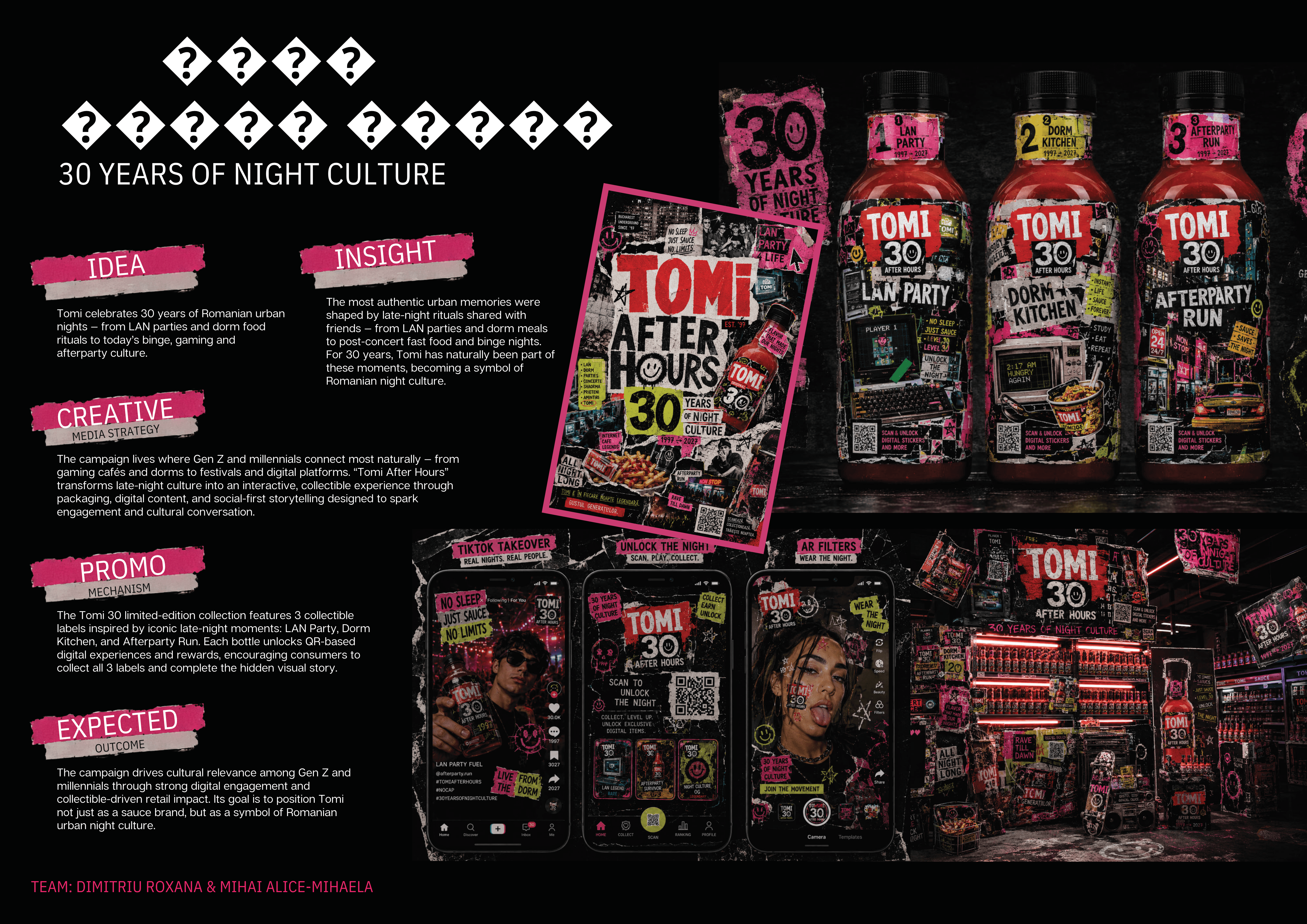
Here is how the teams ranked:
Silver Winners
Elevate Branding, Sauced Up, Brandora, Tomi_Titieanu, Tomi_Dimitriu_Mihai, Tomi_Buburuzan
Special Invitation for Silver Winners
All Silver-winning teams are officially invited to compete at Asian Creativity, on June 17.
https://thealternativeschool.com/news/brands-talk.-identity-culture.-asian-creativity
Please confirm your participation by this Thursday,4th of June.
What to send: Team Name, full names of all members and the WhatsApp contact number.
If you can’t attend, let us know, we will extend the invite for the Bronze-Silver Winners.
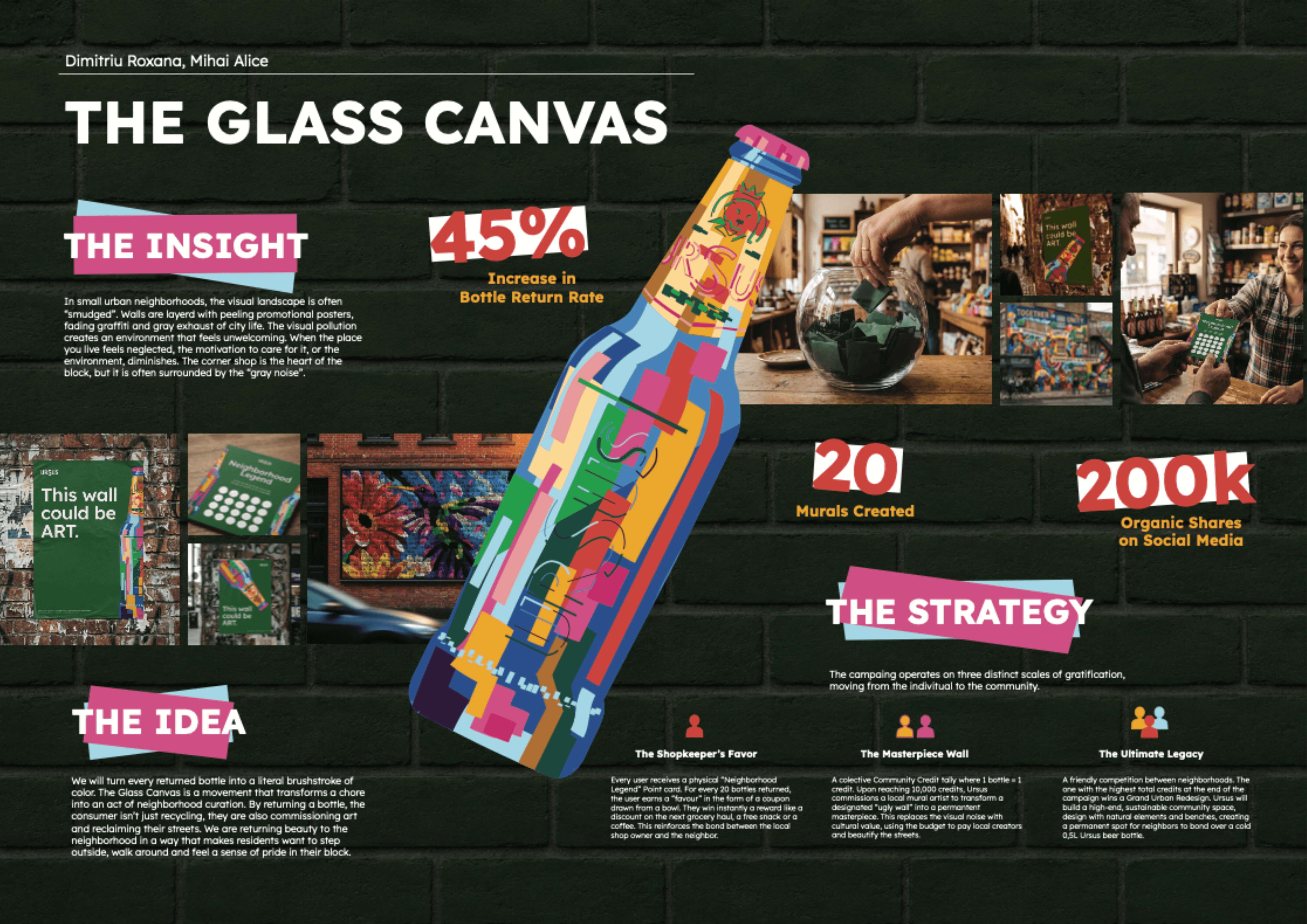
What’s Next for Bronze and Above
All teams ranked from Bronze up to Silver have officially qualified for the next stage of the journey:
-Next two Briefs: access to the upcoming two campaign challenges.
-#FutureProofCreativity: participation in this exclusive, career-accelerating experience.
-You are part of the TheAlternativeSchool Ecosystem: official inclusion into our creative community and network pool – recruitment, valuable meetings, mentoring.
Thank you to everyone who put passion, time and courage into these briefs.
Let’s keep pushing the boundaries of applied creativity & stay tuned for the new briefs in the fall.

See the rest of the ranking below:
Bronze-Silver: Flavour LAB, The Babes, Sosierele, Sandu, Ursus_Dragos_Dragoi, Cascaescu, Ursus_Scutaru_Mandric_Olarean_Coțovanu, Tomi_Coțovanu, Ursus_Pripa, Tomi_Timocichin, Chicas, Four, Story Shapers.
Bronze Winners: BLVSH, The Evil Residents, Sugar&Spice, The Taste of Together, Urban Aftertaste, Team Blue, Inspire Studio, Dragos_Dragoi_Dima, Banu_Isac_Rabuianu_Pentiuc, Cială_Gherman, Totally D, Stan.Shortlist & Shortlist-Bronze
Shortlist-Bronze: Academic Weapons, Two Much
Shortlist: Stunnas, Prism-A Team, MVM, Catterplotter Team, Opriș, Creangă, Morohai, MIRAU.
Let’ s keep in touch for the next round. If you have more questions, here’s your mentor’s contact: teodora.migdalovici@thealternativeschool.com
The Woman goes to Timișoara
For the first time beyond Cluj, The Woman brings its pop-up format to Timișoara
On 6 October 2026, The Woman Connect Timișoara will bring together women who build businesses, lead teams, make decisions and contribute meaningfully to the communities around them.
Hosted at Hotel Rivo, the one-day event is designed around relevant ideas, candid conversations and connections with the potential to open new professional directions.
After more than a decade of building one of Romania’s most visible communities around female leadership, The Woman is extending its presence with a format centred on genuine exchange rather than convention.
The Woman Connect is conceived as a meeting point for women looking to take ideas further, broaden their perspective and learn from those who have already navigated similar professional crossroads.
“Choosing Timișoara for the first edition of The Woman Connect outside Cluj felt entirely natural. It is a dynamic city, with a strong entrepreneurial and professional community and an energy that resonates with what The Woman stands for. We are not coming to Timișoara for a one-off event, but with the intention of building something here that can grow from one edition to the next. We look forward to meeting the women of Timișoara and to reconnecting, this time in their own city, with many of those who have joined us year after year in Cluj,” says Crina Ciocian, The Woman’s founder.
A First for The Woman in Timișoara
Timișoara has developed a distinctive entrepreneurial and professional culture, shaped by initiative, creativity and collaboration.
Through its first pop-up in the city, The Woman aims to create a more intimate setting in which women from Timișoara and the wider region can meet, exchange experience and explore new forms of collaboration.
At the heart of The Woman Connect is a simple belief: one relevant conversation can shift a perspective, while one encounter can become the starting point for a new idea, partnership or professional direction.
At a time when change has become a constant of working life, access to people with different experiences, disciplines and points of view is increasingly valuable. The Timișoara edition brings this principle to life through a programme centred on leadership, business, professional development, decision-making and the personal journeys behind professional success.

Ideas That Matter. Conversations Shifting Perspective
The programme of The Woman Connect Timișoara moves beyond familiar formulas around success and career progression.
Instead, it will focus on honest professional experiences, defining decisions and the lessons that emerge from building, changing course, taking risks and moving forward.
Among the themes explored throughout the day are:
leadership lessons and decisions that alter professional trajectories;
the realities, challenges and opportunities of building a business;
professional experiences that can become valuable reference points for others;
changing perspectives on career, growth and reinvention;
ideas and connections with the potential to continue well beyond the event.
The Women Taking the Stage
The speakers at The Woman Connect Timișoara bring together different industries, backgrounds and perspectives, each contributing her own experience of leadership, entrepreneurship, creativity and professional evolution.
Paula-Ana Romocean, Vice-Mayor of the Municipality of Timișoara
Laura Baldini, the entrepreneur behind one of Romania’s best-known women’s hosiery brands, founded more than 25 years ago and a market leader for over 15 years
Mădălina Diaconu, Marketing Manager at KULTHO, with a professional trajectory shaped by years of brand and business experience
Cristina Chiriac, founder and President of CONAF, the National Confederation for Female Entrepreneurship, representing 33 branches and more than 15,000 member companies
Maria Guban, brand strategist and producer of niche experiences across education, lifestyle, tennis and diplomacy
Sore Mihalache, artist and fashion entrepreneur, founder of Hard Coeur and MUV, as well as host and producer of the podcast Tot Ce Nu Spunem and the online show The Dressing Room
Andreea Raicu, one of Romania’s most recognised public figures, founder and Creative Director of Amalin
Alina Gogolan, entrepreneur, content creator and winner of MasterChef Romania
Ioana Enache, cultural strategist, community builder and Director of the Museum of Recent Art
The Woman Connect forms part of the broader evolution of The Woman, bringing conversations around leadership, business and professional development closer to local communities across Romania.
The Timișoara edition marks the beginning of a new chapter for the platform and lays the groundwork for future editions in other cities. Its more intimate format is designed to encourage direct dialogue, meaningful interaction and stronger professional connections.
The event is addressed to entrepreneurs, managers, founders and professionals from different industries, as well as women at the beginning of their careers and anyone interested in discovering new perspectives within a community built around shared experience, curiosity and ambition.
Full details about The Woman Connect Timișoara are available on the event website. Tickets are available here.
About The Woman
Founded in 2012 as a conference dedicated to women in business, The Woman has since developed into a wider platform centred on female leadership, professional growth and community.
Today, it is behind Romania’s largest conference dedicated to female leadership, alongside an editorial platform, a series of related events and awareness initiatives designed to bring visibility to relevant voices, ideas and professional journeys.
Over more than a decade, The Woman has grown from an annual event into a community that brings women together around learning, exchange and opportunity, while continuing to create contexts in which professional achievement, personal perspective and meaningful leadership can be recognised and shared.

Juli: Meaning, One Percent at a Time
Some creatives chase scale. Juli chases impact. At 23, the Romania-based creative measures success in something deceptively small: improving the world by one percent. For her, creativity is not about decoration, but contribution - turning ideas into realities that leave a trace.
Her instinct for storytelling started early, filming imaginary teleshopping commercials and transforming ordinary objects into extraordinary inventions. What looked like play was, in fact, an early exercise in reframing reality.
1. WHAT WOULD MAKE YOUR SOUL SING? WHAT MAKES YOU HAPPY?
What truly makes my soul sing is people and the possibility of leaving something meaningful behind. I feel most alive when I can contribute, even in the smallest way. If I can improve the world by just one percent, personally or professionally, that is enough to make me deeply fulfilled.
Happiness, for me, comes from giving. From having the resources, the ideas, or the energy to offer something to someone else. When a thought turns into reality and that reality has a positive impact, that is where I feel aligned with my purpose.
In a world that sometimes feels like it is falling apart, I am driven by the quiet ambition to make something better. Even by one percent. Even in a small corner of it.
2. A CHILDHOOD STORY THAT ANNOUNCED THE CREATIVE PERSON YOU ARE TODAY
When I was little, my parents were often away, and I developed a rather unusual habit: I watched teleshopping channels for hours.
I was fascinated by miracle pans, miracle creams, miracle devices that promised to solve every problem in the world. Looking back, many of them were questionable at best, but what captivated me was not the product, it was the storytelling. The way ordinary objects were turned into something extraordinary.
At some point, I started recreating that world myself. My parents had a small digital camera, and I began filming my own commercials. I would take random objects from around the house, sometimes things that were not even products in any real sense, a sheet of paper, a stick, anything. And I would invent features, offers, benefits. I would build analogies and dramatic demonstrations. I even directed my mother once, filming her as she promoted one of my imaginary products, just like in the teleshopping shows.
As a child, I never saw objects as just objects. A clothespin could become a character. A piece of paper could become a revolutionary invention. Everything carried the potential for a larger story.
Looking back, I realize I was not just playing. I was reframing reality. I was learning that meaning is something you create.
3. BEST CONTEXT EVER FOR INSPIRATION WAS
Observation.
The most powerful context for inspiration, for me, has always been watching people. In cafés, in public spaces, in crowded rooms. I observe how people enter a space, how they gesture, how they speak, how they pause, how they react.
Human behavior is an endless source of nuance. And because people are infinitely diverse, inspiration never runs out.
4. THE PROJECT YOU LOVED MOST
One of the projects closest to my heart was created during my time at September Media agency: a fundraising event for Bethany Foundation called “Balul de la Castel,” a charity gala dedicated to supporting underprivileged children.
What I loved most was the opportunity to move beyond the clichés that often dominate fundraising campaigns involving children. Instead of relying on predictable emotional triggers, we worked around a central concept imagined by my colleagues, Unison, and I translated that into a visual language.
We built the identity around the idea of waves, the metaphor that good travels forward, that small acts of kindness ripple outward and grow. Visually, everything echoed that propagation of impact.
It was my favorite project because it combined meaning and creativity. It allowed me to design something beautiful that carried real consequence.

5. THE PROJECT OTHERS LOVED MOST
Another project that resonated strongly with the public was created for “Salvați Copiii Iași,” in the context of the local semi-marathon.
Instead of default sports imagery, I developed original characters, small animated “legs” that embodied movement, energy, and the spirit of running. The identity was dynamic, colorful, and highly adaptable across multiple environments.
People appreciated the coherence of the system and the playful yet strategic approach behind it. It felt fresh, alive, and distinct.
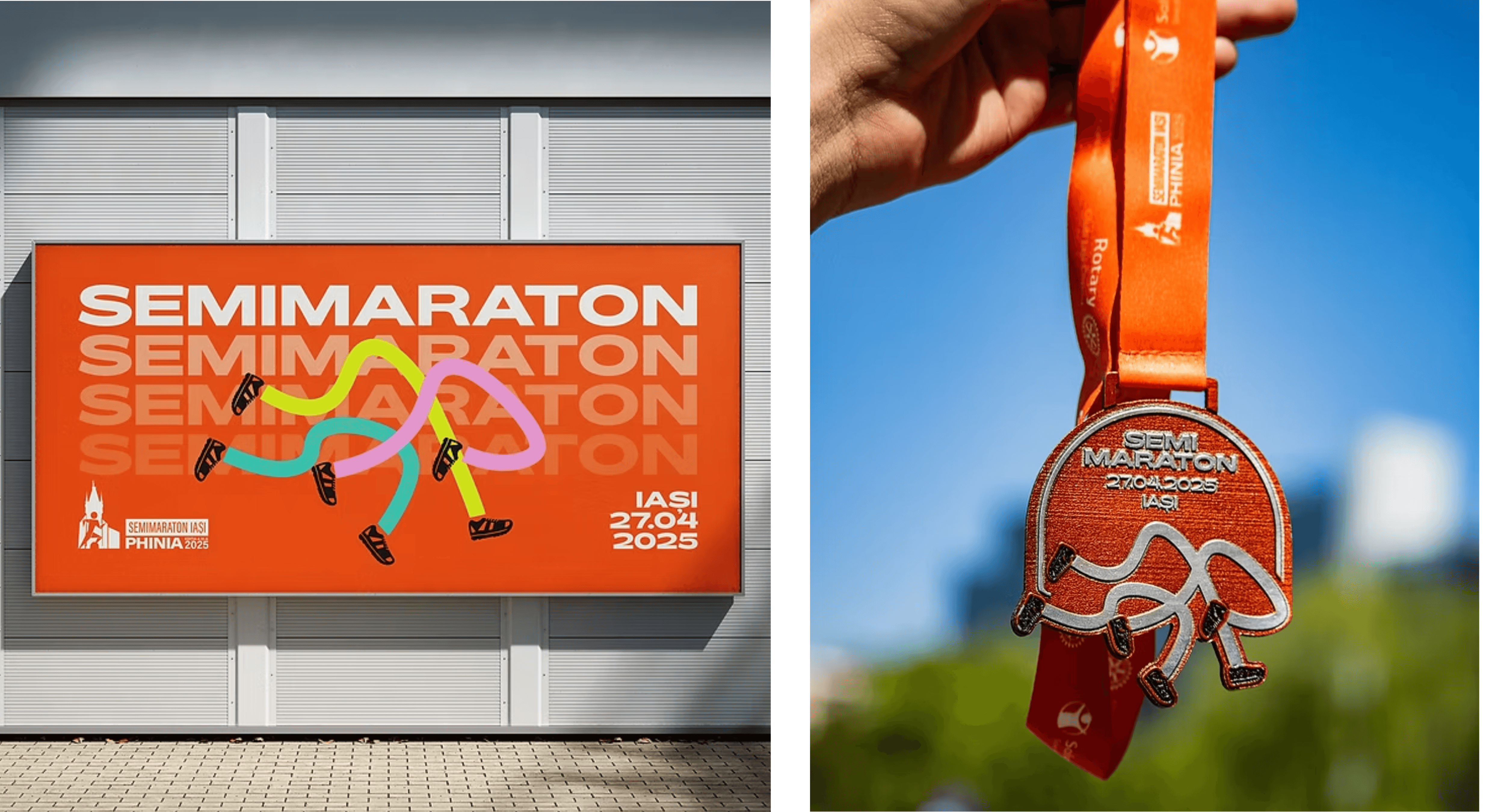
6. THE BEST THING ABOUT LOCAL CREATIVITY IS
The best thing about local creativity is adaptability rooted in cultural nuance.
Romanian creatives have learned to work with constraints. Limited budgets, unstable systems, shifting contexts. That pressure has shaped strategic agility. We think conceptually because we often have to. We cannot rely solely on scale, so we rely on insight.
There is also a strong sensitivity to social tension, irony, and subtext. That depth creates work that feels intelligent rather than decorative.
7. BEST STATEMENT OF LOCAL HUMOR
Romanian humor survives through irony.
We have a long tradition of laughing in situations where others might only complain. We often soften difficult realities with wit. There is a common expression, “a face haz de necaz”, which loosely translates to making humor out of misfortune. It says everything about how we cope.
We also say “lasă că merge și așa”, meaning “it works well enough,” a phrase that carries both irony and resilience. And when things go wrong, you might hear “ghinion”, said with a shrug that transforms frustration into dry comedy.
Our humor is layered, self-aware, sometimes self-deprecating.
It is not loud. It is subtle, sharp, and often disarming.
8. ADVICE FOR INTERNATIONAL HEADHUNTERS, RELATED TO LOCAL CREATIVES
Do not confuse scale with depth.
Many Romanian creatives grow in environments where resources are limited, feedback is direct, and results matter. That context shapes a particular kind of mind, one that learns to think conceptually before thinking cosmetically.
We are used to navigating ambiguity. To building systems from scratch. To working across disciplines because the market often requires it.
What you might see as “a small market background” is often a training ground for resilience, strategic clarity, and intellectual flexibility.
If you are looking for people who can operate without perfect conditions, who can think before they decorate, and who understand both constraint and possibility, you will find them here.
9. BEST PLACE IN THE CAPITAL
Bucharest is a city of contrasts.
For me, the most inspiring places are those where old architecture meets contemporary tension. Walking through layered neighborhoods feels like moving through multiple timelines at once.
The city reveals itself slowly. It rewards observation.
10. BEST PLACE IN YOUR COUNTRY
The mountains.
There is something grounding about Romanian mountain landscapes. They hold silence in a restorative way. Being there recalibrates perspective.
It is a place where scale becomes meaningful and ego becomes smaller.
11. MOST DISTURBING CLICHÉ ABOUT YOUR COUNTRY IN THE MEDIA OUTLETS OF THE WORLD
The persistent stereotype that Romanians are defined by crime or corruption is reductive and outdated.
Like many countries navigating complex transitions, Romania carries systemic challenges. But reducing an entire population to a negative narrative ignores the depth of cultural, intellectual, and creative contribution emerging from here.
Simplified media narratives rarely capture complex realities.
12. YOUR COUNTRY SHOULD BE KNOWN FOR
Romania should be known for intellectual ambition.
There is a powerful drive among many people here to transcend circumstance. To learn, to evolve, to build beyond inherited limitations.
You will find engineers, artists, strategists, researchers, and entrepreneurs who operate with remarkable depth and commitment.
That energy deserves more visibility.
13. YOUR VIEWS ON SPIRITUALITY
For me, spirituality is deeply connected to self-knowledge.
It is a catalyst for inner clarity. The more honestly you understand yourself, the more accurately you can understand the world around you.
Spirituality, in that sense, is not an escape from reality but a deeper immersion into it. It means looking beyond surface appearances and searching for meaning beneath visible structures.
It is the willingness to go deeper.

14. YOUR VIEWS ON MONEY
Money is not an end in itself. It is a means.
We live in systems where financial stability matters, and ignoring that would be naïve. But I do not see money as identity or worth.
In many ways, I resonate with Kant’s idea that people should always be treated as ends in themselves, never merely as means. I extend that logic to money. Money should serve human purpose, not replace it.
Resources become meaningful when they enable impact. When they allow you to build, to create, to support, to give back.
15. AN INSPIRATION SOURCE YOU RECOMMEND FOR A YOUNG CREATIVE
If I had to recommend one source of inspiration, it would be exposure.
Go to galleries. Attend stand-up comedy shows. Watch improv theatre. Sit in cafés. Observe people.
Books and films matter, but if you work in communication, everything ultimately revolves around human behavior.
Creativity grows where curiosity meets people.
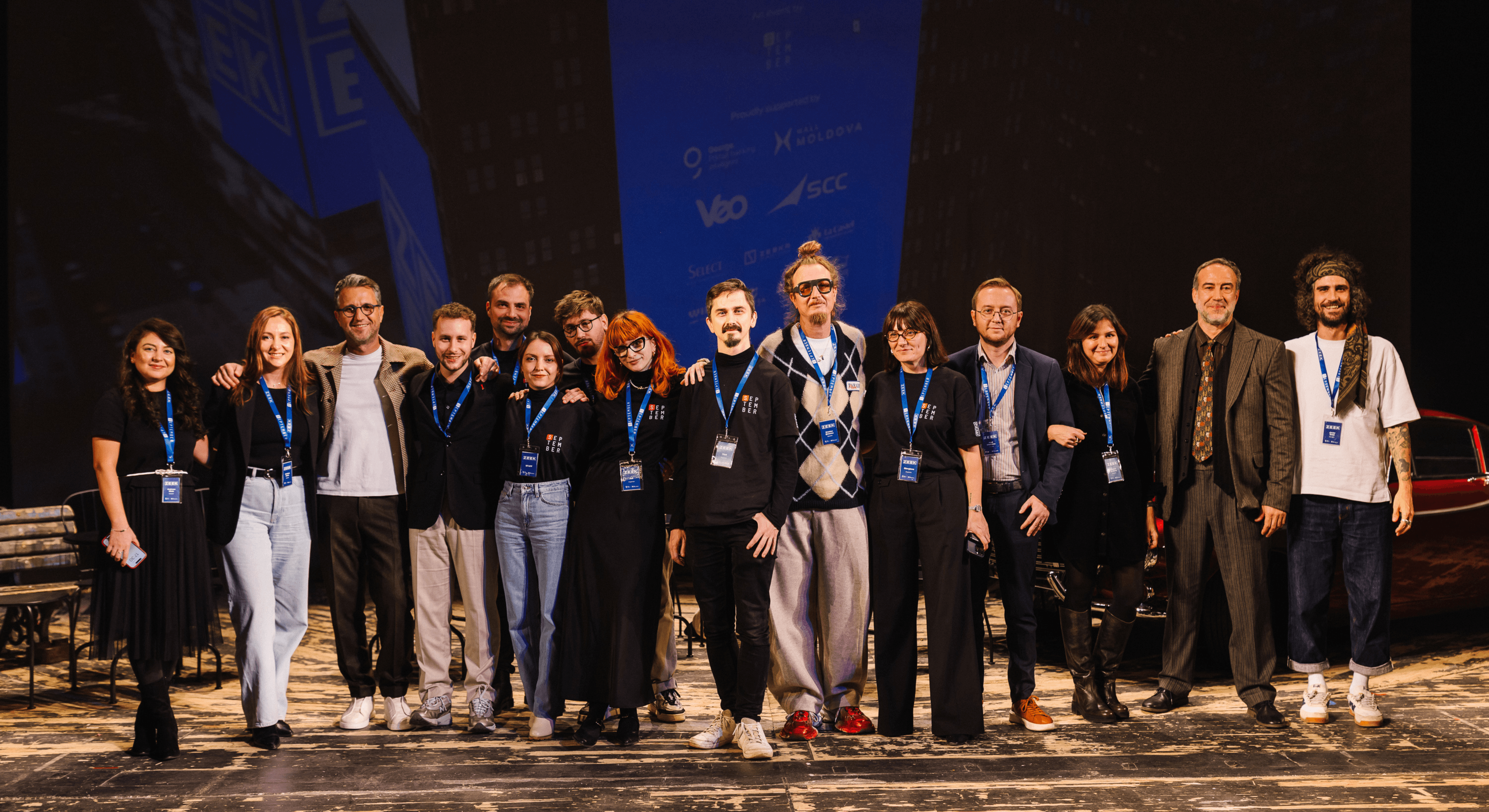
16. A LOCAL BASED FEMALE TALENT THAT DESERVES TO BE PROMOTED AT INTERNATIONAL LEVEL
I would mention Diana Neagu.
I met her during the Young Lions competition, and what began as a professional encounter evolved into something deeply meaningful. Beyond being an exceptional creative, she became both a mentor and a friend.
What sets her apart is cognitive agility. She approaches challenges through lateral thinking and strategic divergence, constructing ideas that are both rigorous and bold. Her problem-solving is layered, disciplined, yet never predictable.
On a personal level, I am grateful that creativity brought us into the same space. It is rare to find someone who challenges you intellectually while supporting you generously.
She represents the kind of analytical, concept-driven creative spirit that deserves international visibility.

BIO
Hi, I’m Juli, a 23-year-old creative based in Romania. I was born with a small hole in my heart, not metaphorically, but literally, and I sometimes think that early fragility shaped the way I pay attention to what lies beneath the surface of things.
Growing up with two much older sisters, I often found myself somewhere between being protected and being on my own. I was a quiet, slightly clumsy child who preferred imagination to noise. I spent hours writing stories that later won school competitions, filling notebooks with fragments, experimenting with piano and violin, trying to understand how expression works in different forms. I was never defined by a single talent, but by curiosity.
At eighteen, I left Bucharest for Iași to prove to myself that the timid child could navigate a new city and build something independently. That decision led me into advertising and creative work at September Media, where storytelling found structure and purpose.
Since then, creating has remained my most constant way of growing.
BRANDS SHAPED BY OUR SPEAKERS

























26-27 \ CREATIVE MBA / SPEAKERS & JURORS


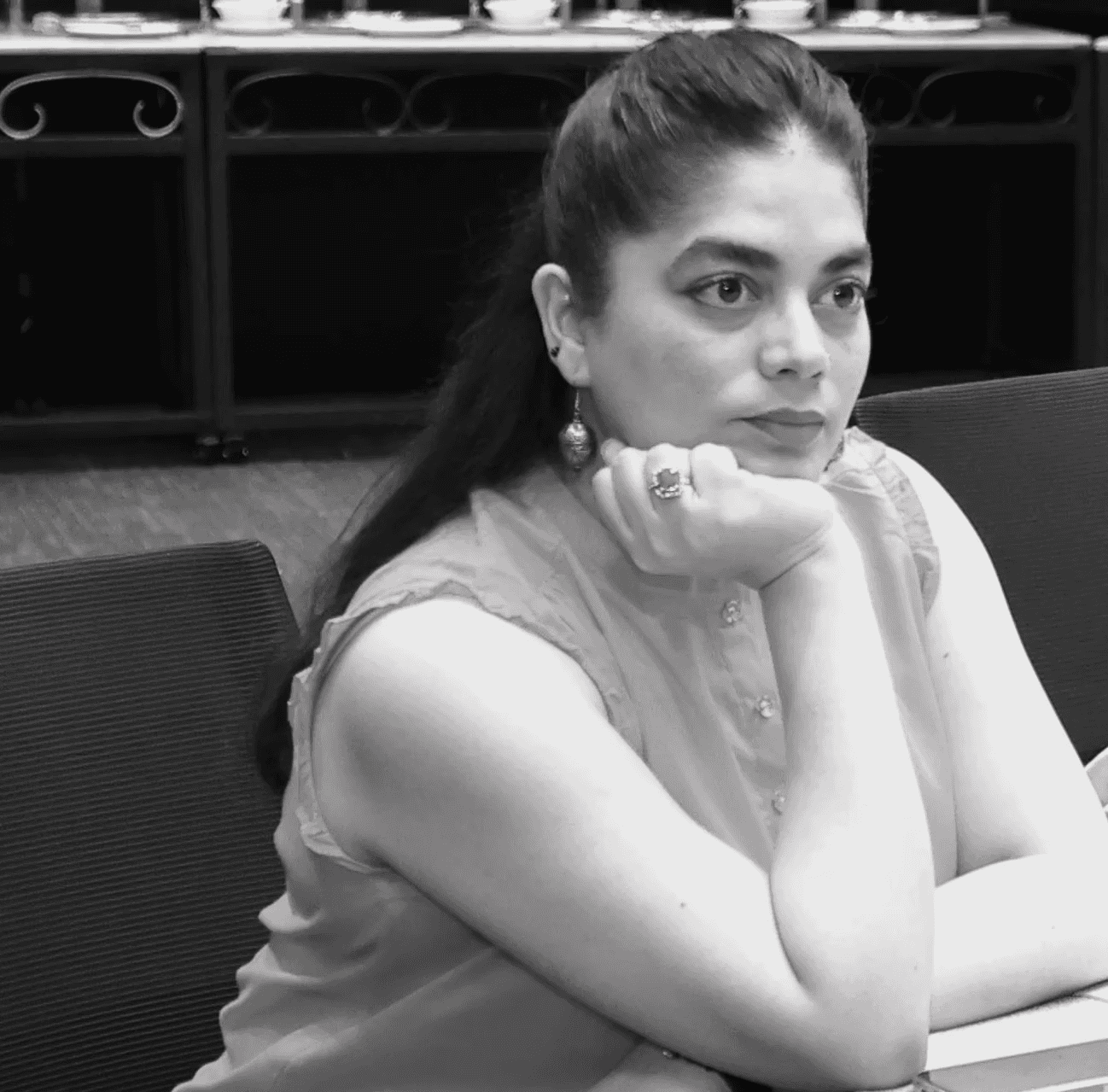

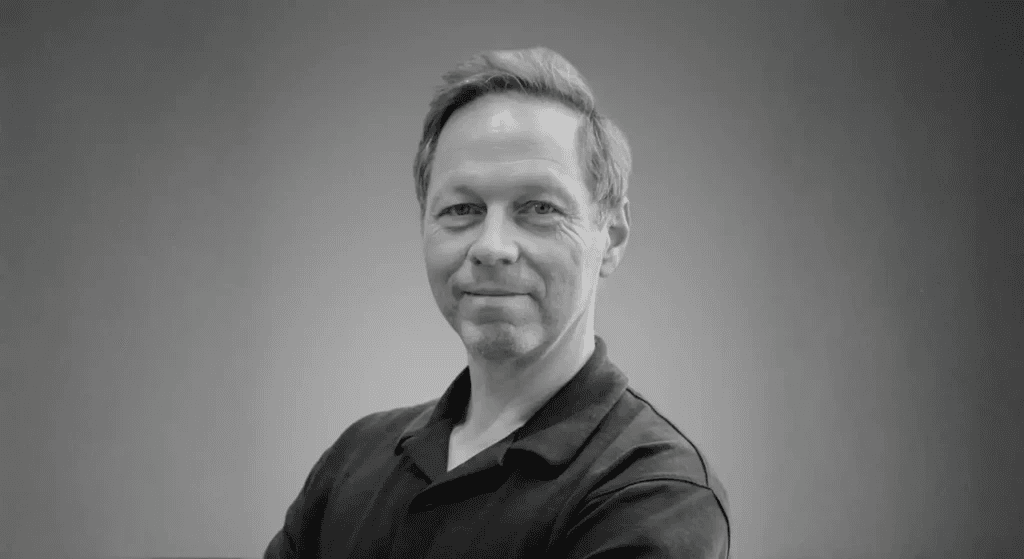
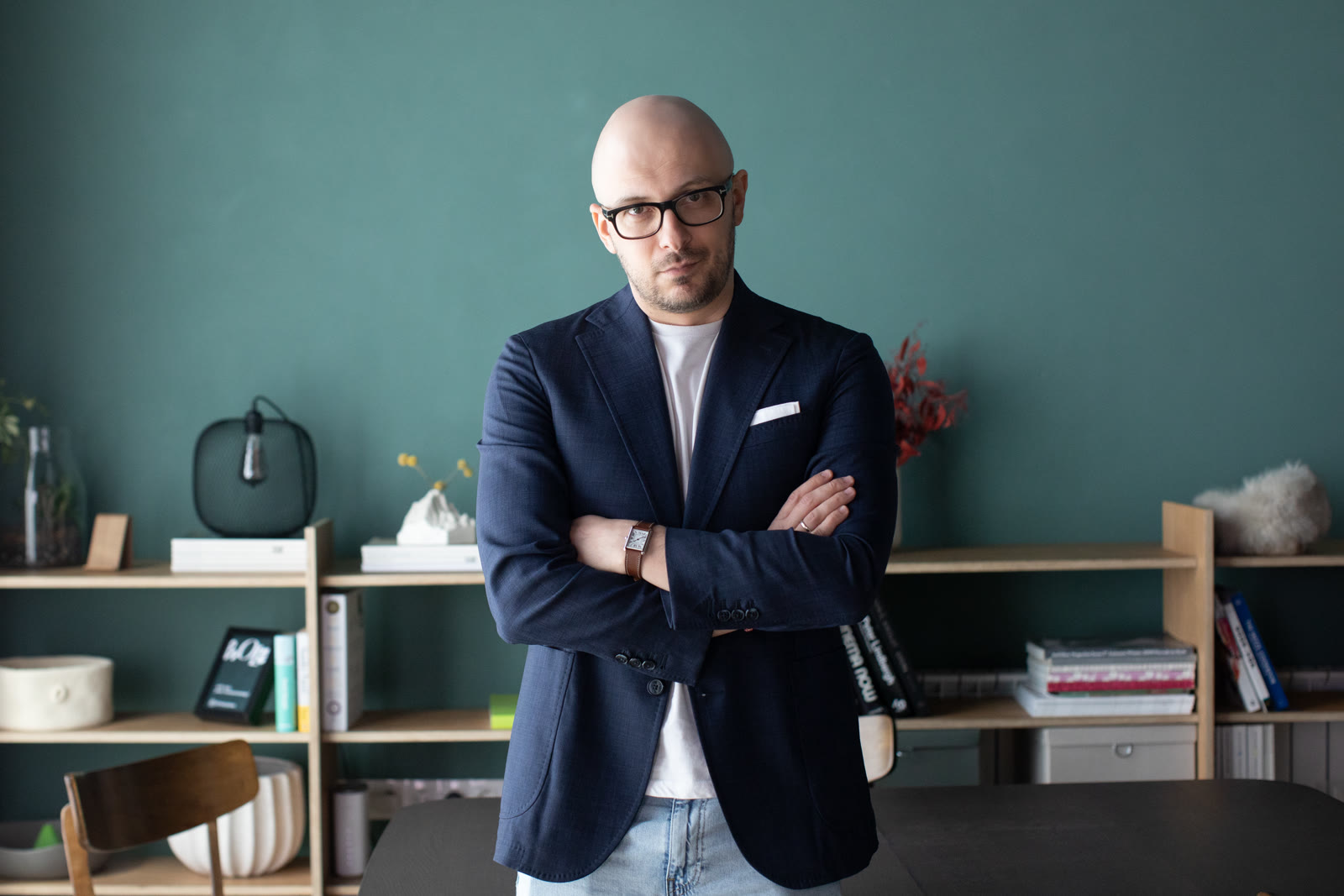

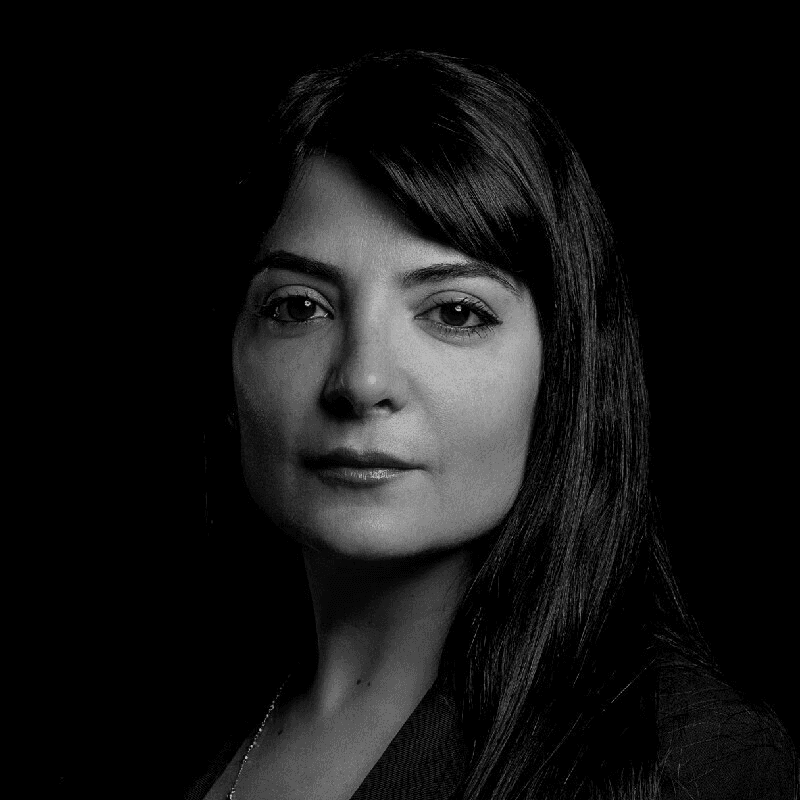




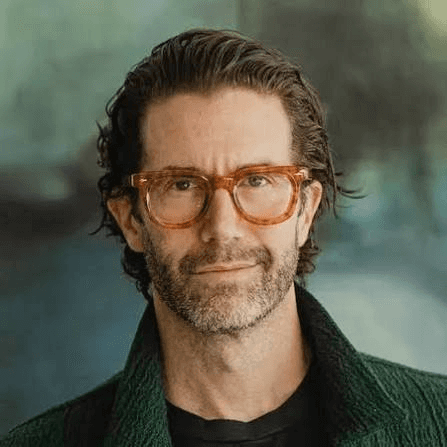


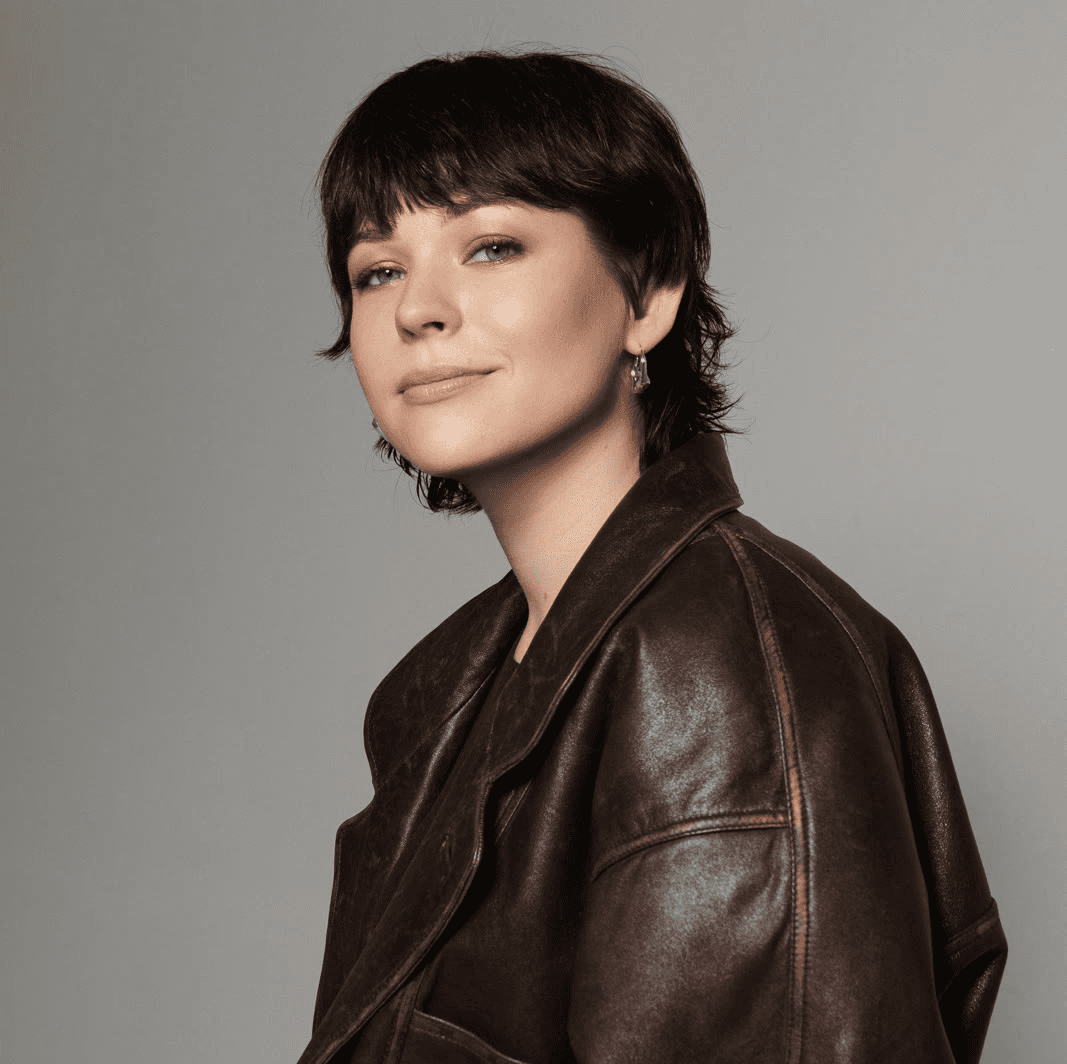


AWARDS WON BY OUR SPEAKERS & JURORS


























THANK YOU, PARTNERS


































LOOK WHO’S TALKING
Don’t listen to us, listen to them